

4
Introduction
Understanding the different types of letters helps you communicate clearly in personal, academic, and professional situations. Each type of letter has a specific purpose, tone, and format. Using the correct type ensures your message is understood and taken seriously.
This guide explains the main types of letters with simple definitions and examples.
What Are Letters?
Letters are written messages used to share information, request action, express feelings, or communicate officially. Based on purpose and tone, letters are broadly classified into formal, informal, and semi-formal types.
Different Types of Letters
1. Formal Letters
Formal letters are used for official or professional communication. They follow a fixed format and use polite, professional language.
Examples of Formal Letters:
- Job application letter
- Resignation letter
- Complaint letter
- Official request letter
- Business letter
Used for: offices, schools, companies, government departments.
2. Informal Letters
Informal letters are written to people you know personally. They have a friendly tone and flexible format.
Examples of Informal Letters:
- Letter to a friend
- Letter to parents or relatives
- Thank you letter (personal)
- Invitation letter (personal)
Used for: friends, family, personal communication.
3. Semi-Formal Letters
Semi-formal letters are written to people you know professionally but not closely.
Examples of Semi-Formal Letters:
- Letter to a teacher
- Letter to a landlord
- Letter to a colleague
- Request letter to an acquaintance
Used for: polite but familiar communication.
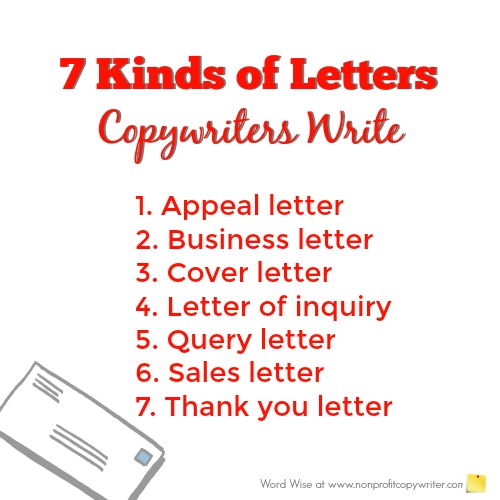
Common Types of Letters (By Purpose)
4
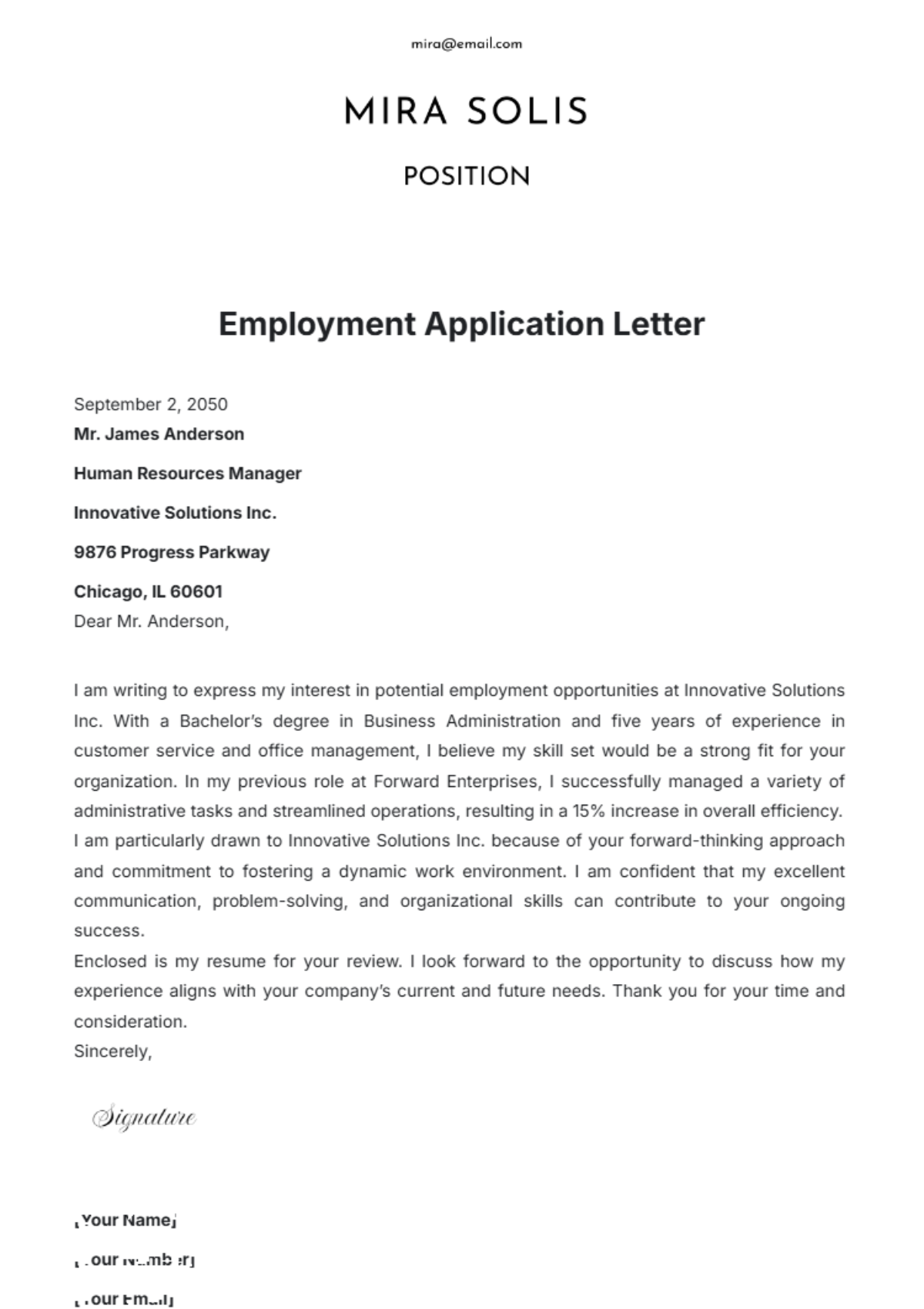
Job Application Letter
Written to apply for a job and introduce your qualifications.
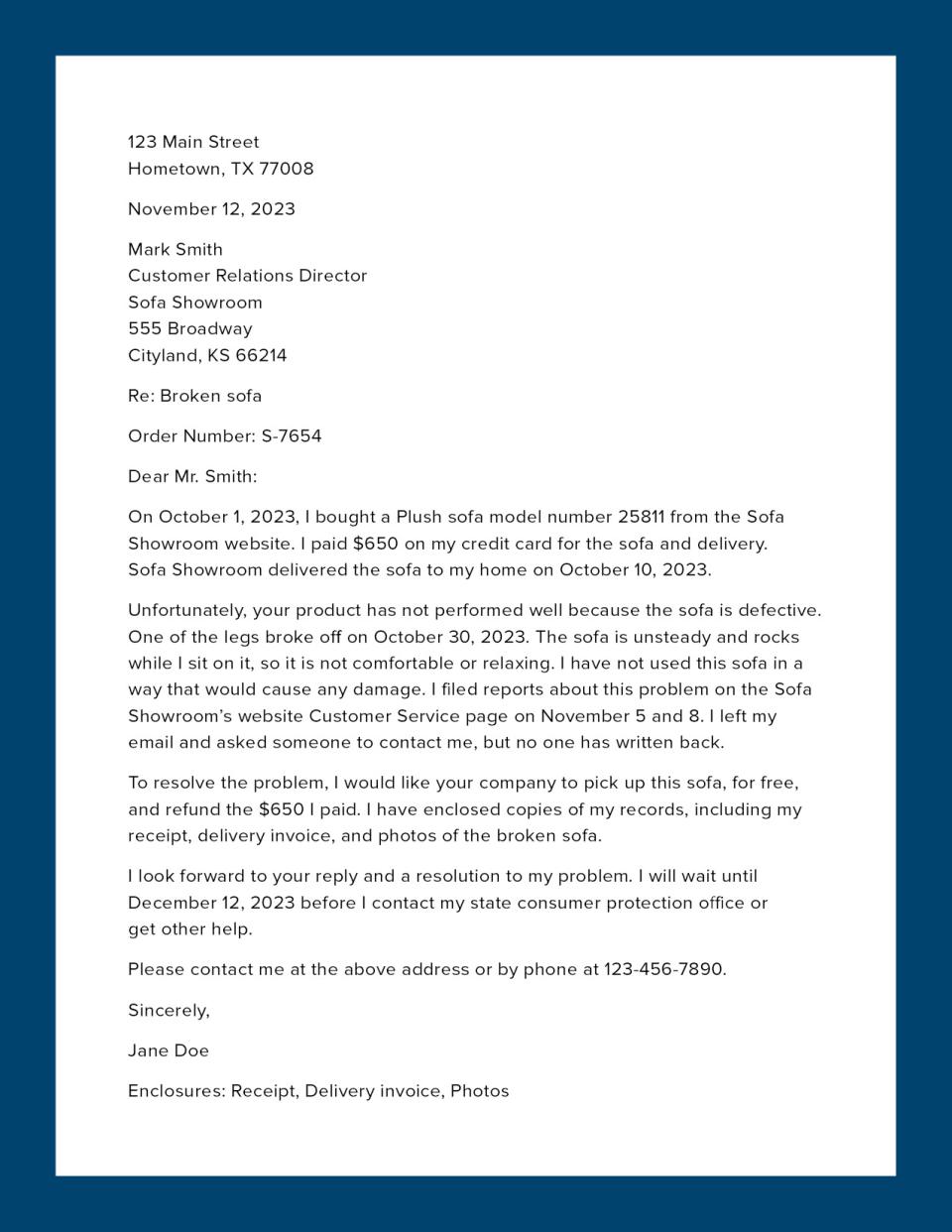
Complaint Letter
Written to report a problem and request a solution.
Resignation Letter
Written to formally inform an employer about leaving a job.
Business Letter
Used for professional communication between companies or clients.
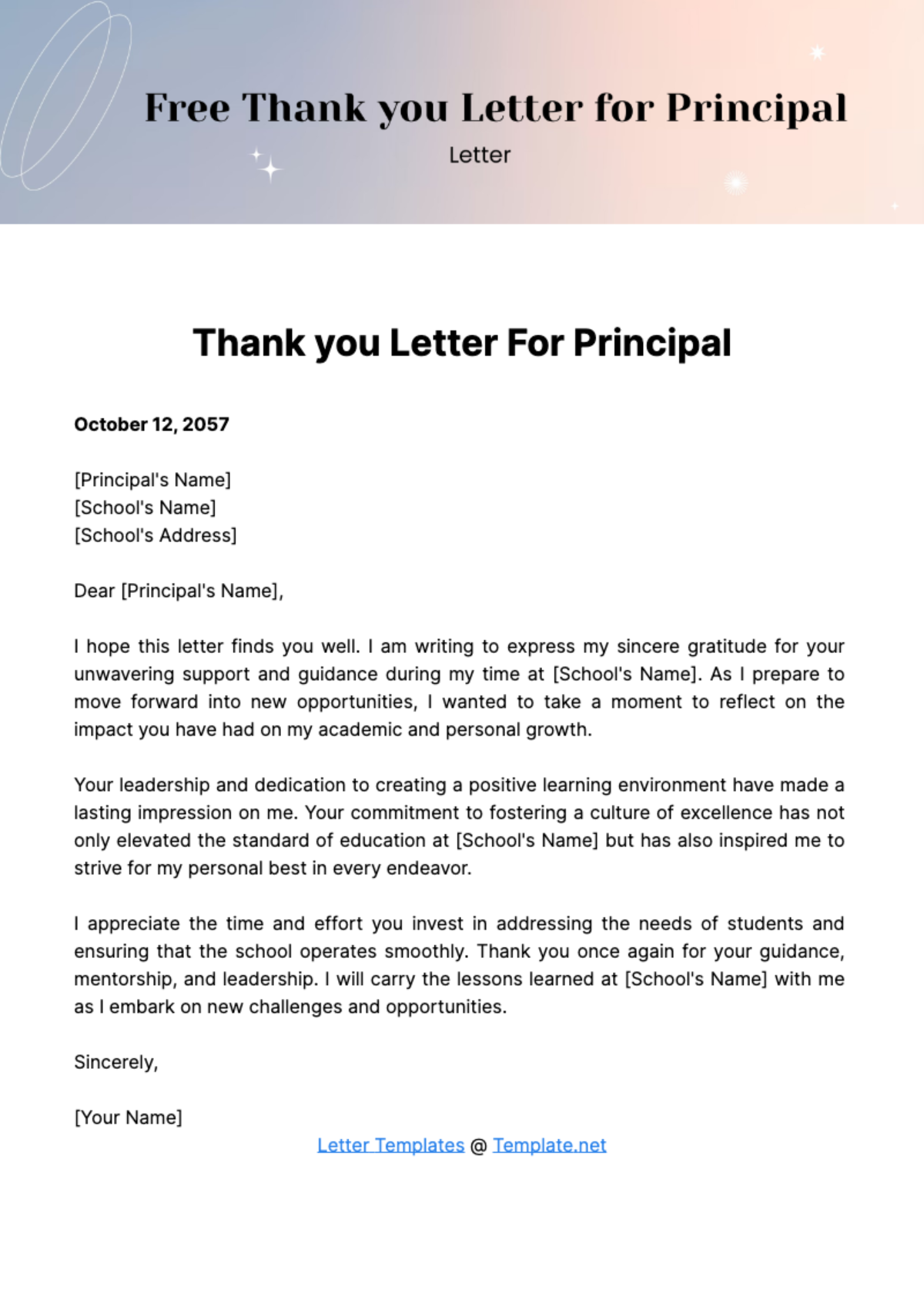
Thank You / Gratitude Letter
Written to express appreciation and gratitude.
Apology Letter
Written to say sorry and accept responsibility for a mistake.
Invitation Letter
Written to invite someone to an event or function.
Recommendation / Reference Letter
Written to recommend a person for a job or opportunity.
Types of Letters in School Exams
Students are often asked to write:
- Formal letters (applications, complaints)
- Informal letters (to friends or relatives)
- Official letters (to principals or authorities)
Correct format and tone are important for scoring well.
Key Differences Between Types of Letters
| Type | Tone | Format |
|---|---|---|
| Formal | Professional | Fixed |
| Informal | Friendly | Flexible |
| Semi-formal | Polite | Semi-structured |
Tips to Choose the Right Type of Letter
- Identify who you are writing to
- Understand why you are writing
- Choose the correct tone (formal or informal)
- Follow the proper format
- Keep the message clear and relevant
Choosing the right type makes your letter effective.
Writing & Sending Letters Made Easy
Even today, physical letters are important for jobs, offices, and official communication.
With PostPatra, you can write your letter online and send it as a real printed letter or postcard anywhere in India, without visiting a post office.
👉 https://postpatra.com
Perfect for formal letters, applications, and personal messages.
FAQs: Different Types of Letters
How many types of letters are there?
Mainly three: formal, informal, and semi-formal—with many subtypes.
Which type of letter is used for jobs?
Formal letters.
Which letters are used in personal communication?
Informal letters.
Can one letter fit all purposes?
No. Each purpose needs the right type and tone.
Conclusion
Knowing the different types of letters helps you communicate correctly in every situation—personal, academic, or professional. By choosing the right type and format, your message becomes clear, respectful, and effective.
Master the types once, and letter writing becomes simple for life.
Leave a Reply