Introduction
Understanding the right cover letter structure is the foundation of a strong job application. Even highly qualified candidates get overlooked because their cover letters are poorly structured, confusing, or too long.
A clear structure helps recruiters quickly understand who you are, why you’re applying, and what value you bring—often in under a minute. This guide breaks down the ideal cover letter structure step by step, with examples you can easily follow.
What Is a Cover Letter Structure?
Cover letter structure refers to the standard layout and sequence of sections in a professional cover letter. It ensures your message is:
- Easy to read
- Logically organized
- Professional and formal
- Recruiter-friendly
A good structure matters as much as good content.
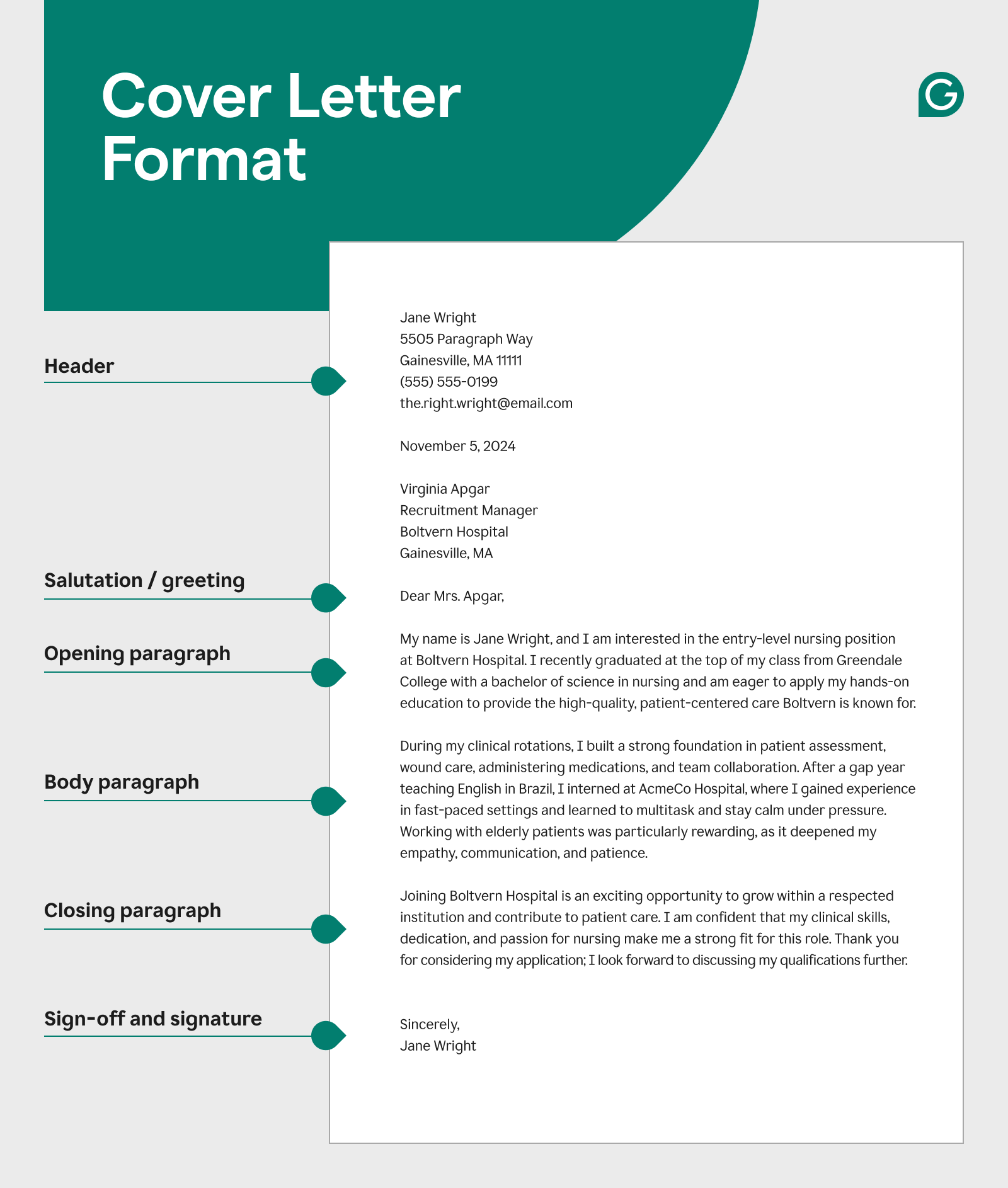
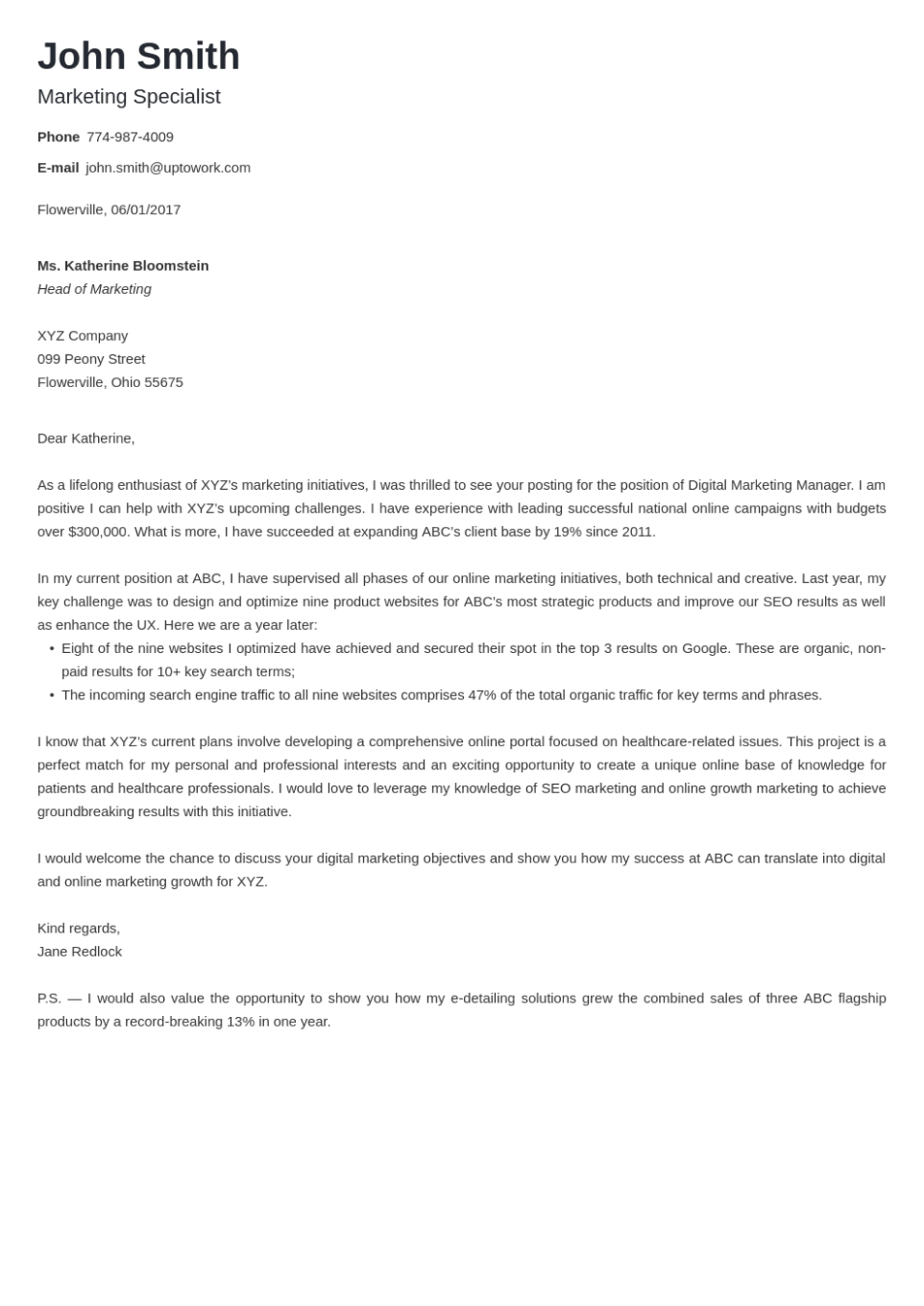
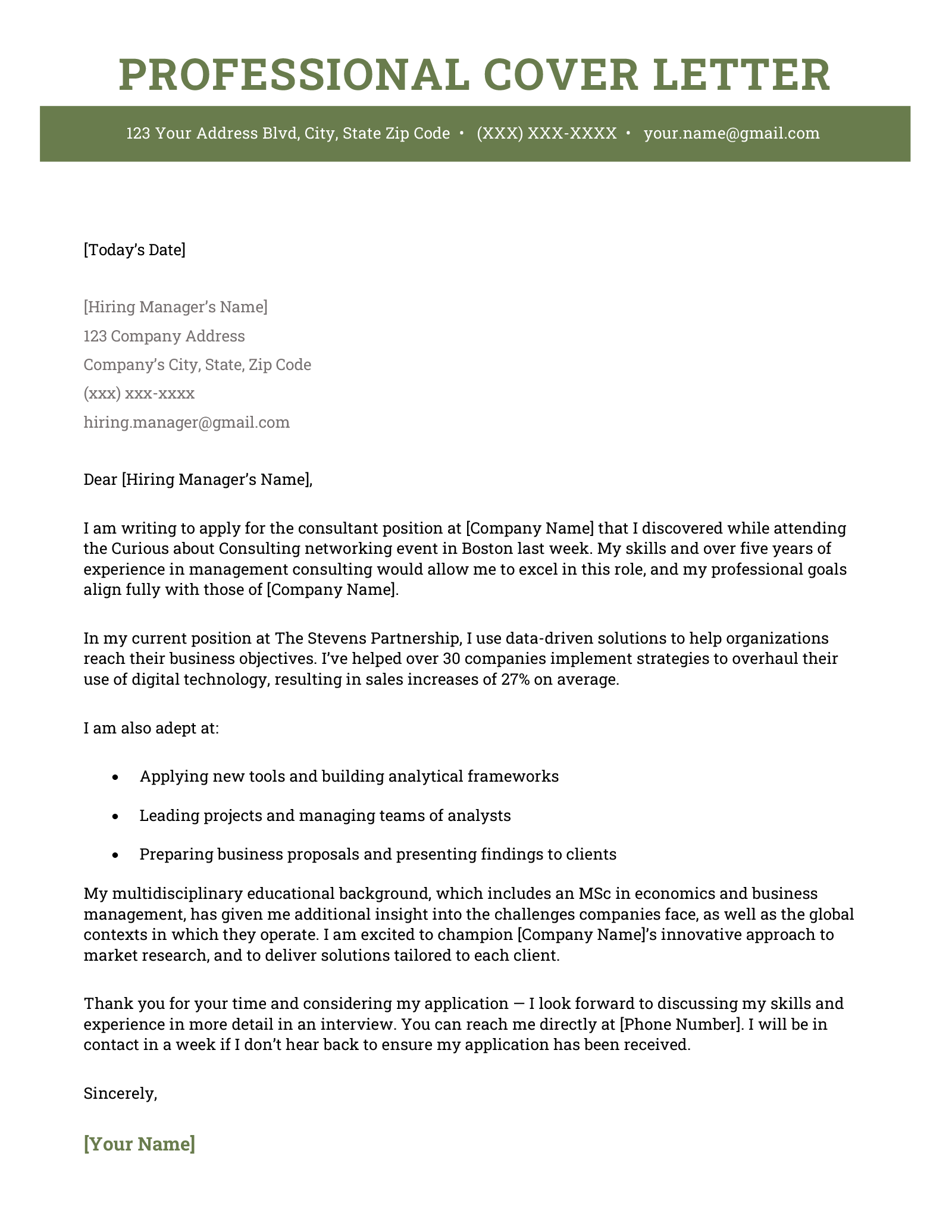
Ideal Cover Letter Structure (Overview)
A professional cover letter should follow this order:
- Header
- Greeting
- Opening paragraph
- Body paragraph(s)
- Closing paragraph
- Signature
Each section has a specific purpose.
Cover Letter Structure Explained (Section by Section)
1. Header (Contact Information)
This appears at the top of the cover letter.
Include:
- Your full name
- Phone number
- Email address
- Date
(Optional: Company name and address if sending a formal letter)
This establishes professionalism immediately.
2. Greeting (Salutation)
Address the letter properly.
Best options:
- Dear Hiring Manager,
- Dear Mr./Ms. [Last Name],
- Dear [Department] Hiring Team,
Avoid informal greetings like “Hi” or “Hello.”
3. Opening Paragraph (Introduction)
This is where you:
- Mention the job title
- State your intent to apply
- Show brief enthusiasm
Example:
“I am writing to apply for the Marketing Executive position at your organization. I am excited about this opportunity as it aligns with my professional background.”
This paragraph should be 2–3 sentences max.
4. Body Paragraph (Skills & Experience)
This is the core of the cover letter structure.
Here, you should:
- Highlight relevant skills
- Mention key achievements
- Explain how you add value
Focus on what you can do for the employer, not just what you’ve done.
You may use:
- One strong paragraph, or
- Two short paragraphs for clarity
5. Closing Paragraph (Call to Action)
The closing should:
- Reaffirm interest
- Thank the employer
- Invite next steps
Example:
“I would welcome the opportunity to discuss how my skills can contribute to your team. Thank you for considering my application.”
6. Signature
End professionally with:
- Sincerely
- Kind regards
Then add:
- Your full name
If submitting a printed letter, leave space for a signature.
Simple Cover Letter Structure (Quick Template)
Dear Hiring Manager,
Opening:
State the role and your interest.
Body:
Highlight relevant skills, experience, and value.
Closing:
Express interest in discussion and thank the reader.
Sincerely,
[Your Name]
This structure works for most job applications.
Cover Letter Structure Example (Complete)
Dear Hiring Manager,
I am writing to apply for the [Job Title] position at your organization. I am enthusiastic about this opportunity as it closely aligns with my experience and career goals.
In my previous role, I developed strong skills in [key skill] and contributed to [achievement or responsibility]. I am confident that my abilities would allow me to add value to your team.
Thank you for considering my application. I would welcome the opportunity to discuss my profile further.
Sincerely,
[Your Name]
Why Cover Letter Structure Matters to Recruiters
Recruiters prefer well-structured cover letters because they:
- Save time
- Show clarity of thought
- Reflect professionalism
- Make screening easier
Poor structure often leads to skipped applications—regardless of qualifications.
Common Cover Letter Structure Mistakes
- No clear opening or closing
- Very long paragraphs
- Repeating the resume exactly
- Mixing informal and formal tone
- Writing more than one page
Structure keeps your message focused and effective.
Email vs Physical Cover Letter Structure

4
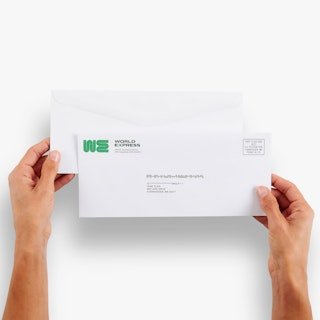
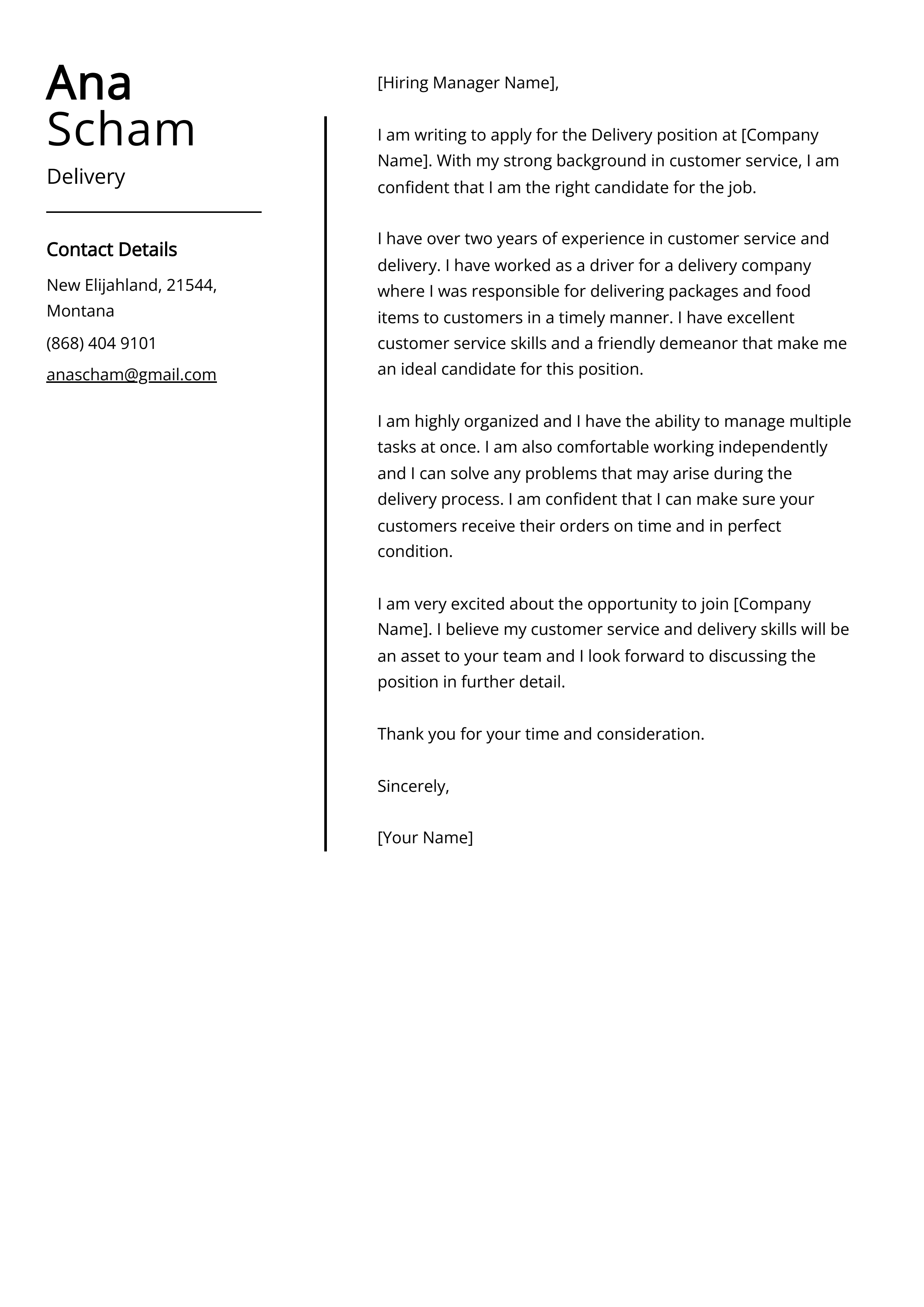
The structure remains the same for both email and physical cover letters. However, physical cover letters require extra attention to formatting and presentation.
With PostPatra, you can:
- Write your cover letter online
- Ensure correct structure and formatting
- Print and deliver it anywhere in India
- Avoid visiting the post office
- Present a polished, professional application
This is especially useful for formal or traditional employers.
FAQs
1. How long should a cover letter be?
One page or 3–4 short paragraphs.
2. Can I change the cover letter structure?
You can adapt slightly, but the standard structure works best.
3. Is the same structure used for all jobs?
Yes. The structure remains the same; content changes.
4. Should I include bullet points?
Usually no, unless the employer allows it.
5. Does structure matter more than content?
Both matter, but structure ensures your content is read.
Conclusion
A clear cover letter structure makes your application easier to read, easier to understand, and more likely to be shortlisted. It shows professionalism, clarity, and respect for the recruiter’s time.
Whether you send your cover letter by email or as a professionally delivered physical letter through PostPatra, following the right structure ensures your message is taken seriously.
A strong structure doesn’t just organize your words—it strengthens your chances.
Leave a Reply