
Introduction
If you’re searching for letter of interest examples, you’re likely exploring opportunities proactively—before a job is even advertised. A letter of interest is a powerful way to introduce yourself to a company, express enthusiasm, and position yourself for future openings.
This guide provides clear letter of interest examples for different situations, along with formatting tips and best practices to help you write a compelling, professional letter.
What Is a Letter of Interest?
A letter of interest (also called a prospecting letter) is a formal letter sent to an organization to express interest in working with them—even when there is no specific job opening listed.
It focuses on:
- Your interest in the company
- Your skills and background
- The value you can bring
- Openness to future opportunities
Unlike a cover letter, it is not tied to a specific vacancy.
When Should You Use a Letter of Interest?
A letter of interest is useful when:
- No job openings are posted
- You admire a company’s work or culture
- You want to be considered for future roles
- You are exploring career transitions
- You want to build professional connections
Being proactive often puts you ahead of other candidates.
Letter of Interest Format (Standard)
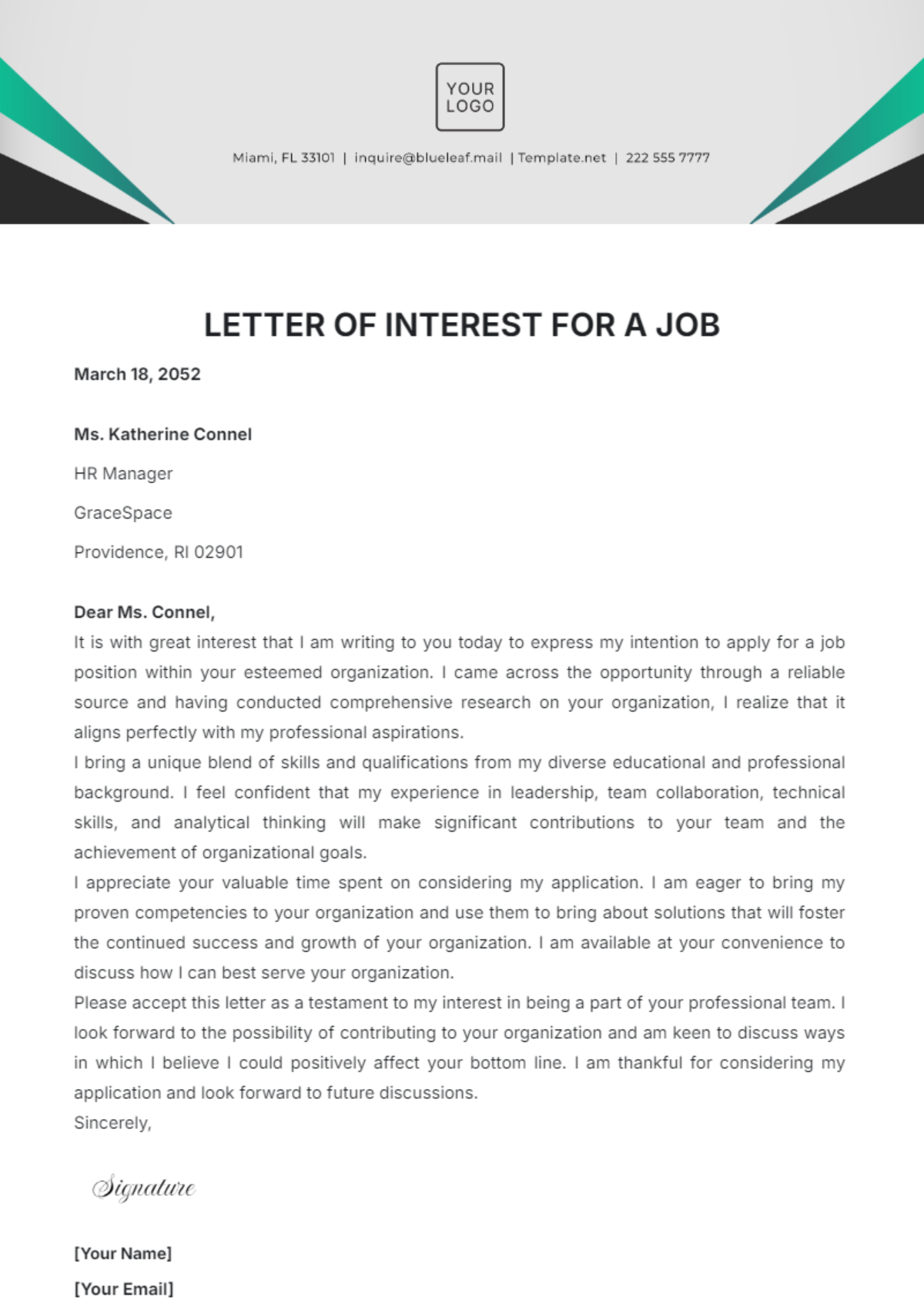
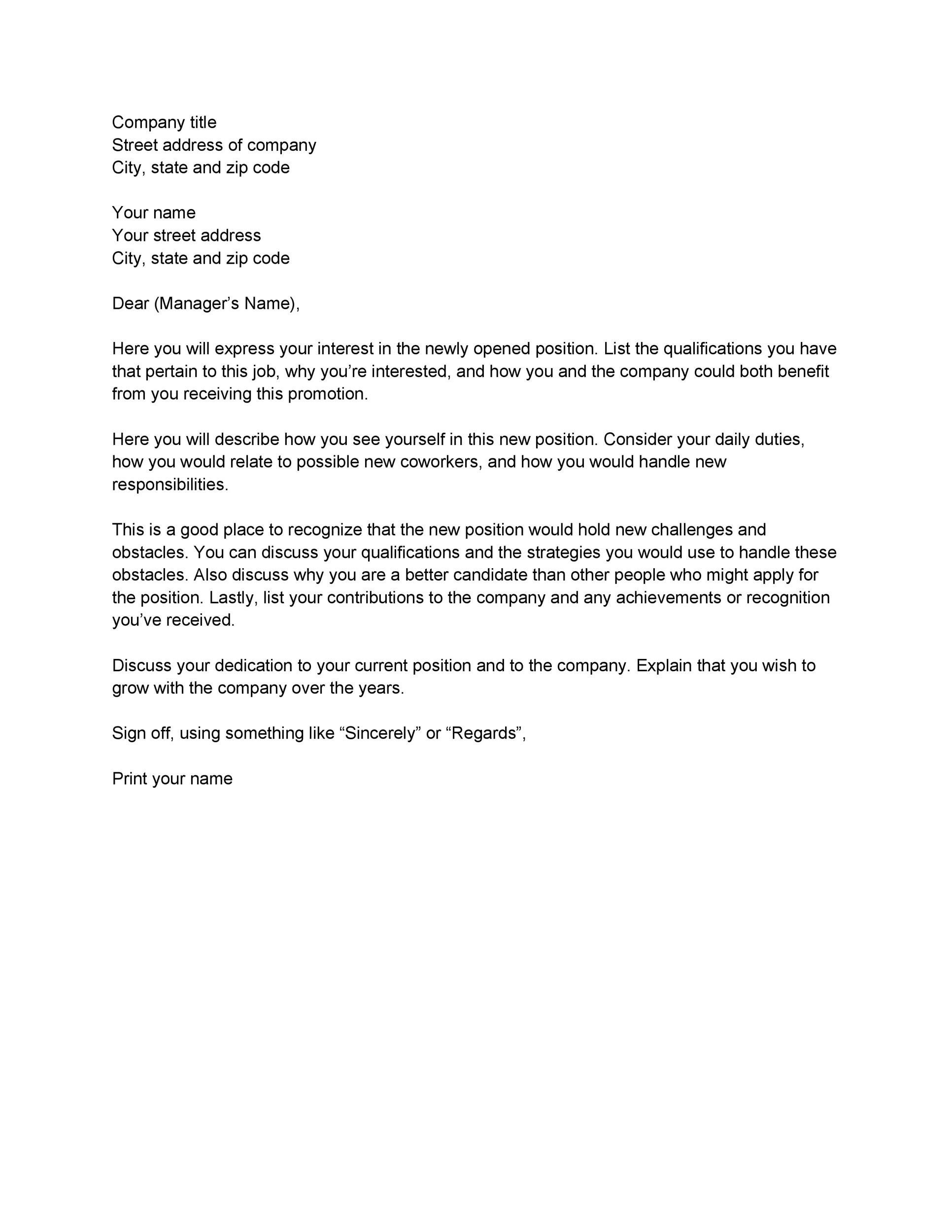
A professional letter of interest typically includes:
- Your contact details
- Date
- Employer or company name
- Salutation
- Introduction (why you’re writing)
- Skills and value proposition
- Interest in the company
- Closing and call to action
- Signature
Keep it one page and concise.
Letter of Interest Examples
Example 1: General Letter of Interest
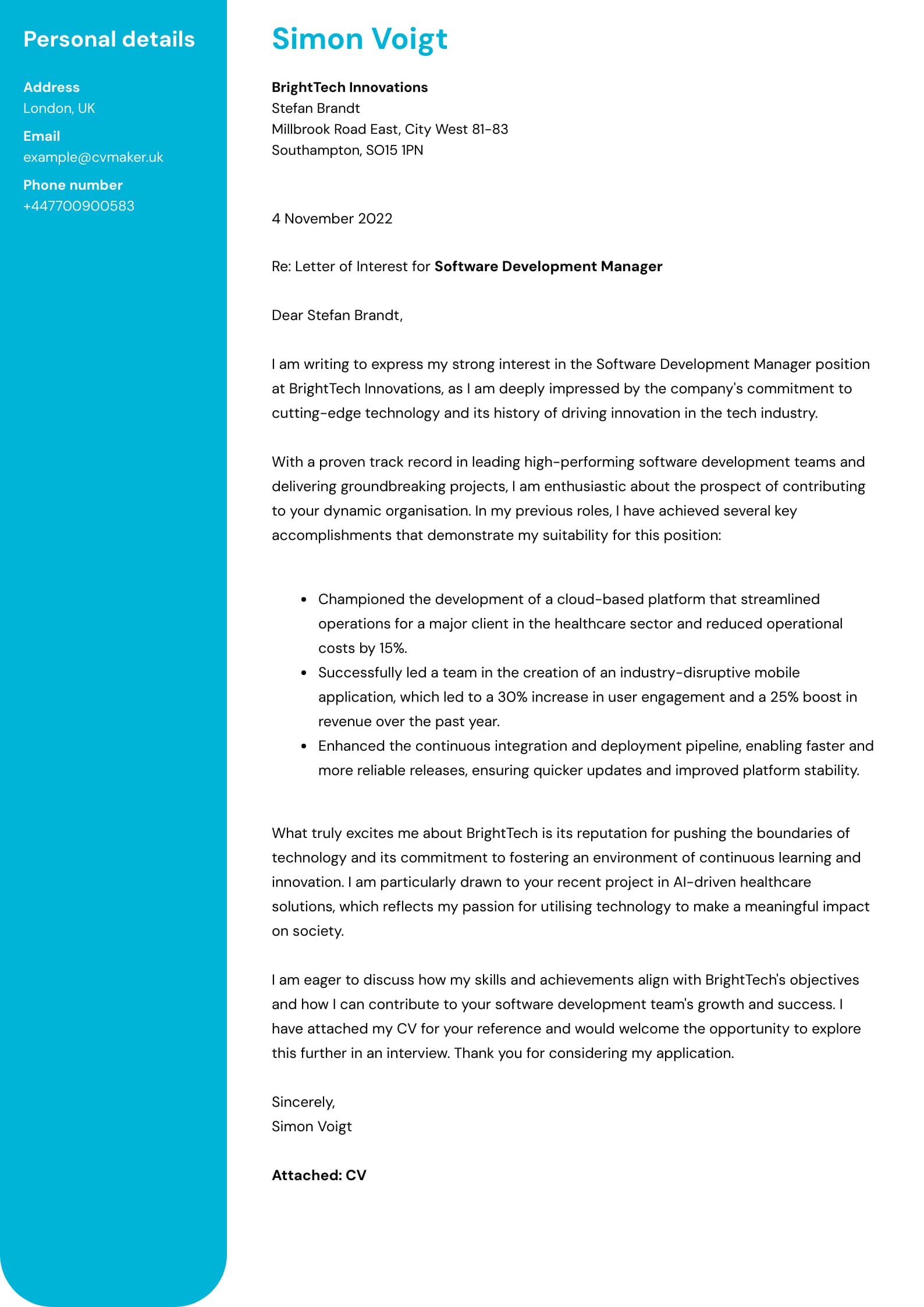
Dear Hiring Manager,
I am writing to express my interest in exploring potential opportunities within your organization. I have followed your company’s work and am impressed by its commitment to innovation and growth.
With experience in [your field/skills], I believe I could contribute positively to your team. I would welcome the opportunity to discuss how my background may align with your current or future needs.
Thank you for your time and consideration.
Sincerely,
[Your Name]
Example 2: Letter of Interest for a Specific Department
Dear [Department Head/Manager],
I am writing to express my interest in potential opportunities within the [Department Name] at your organization. My background in [skills/experience] aligns well with the work your team is known for.
I am keen to bring my skills to an organization that values quality and innovation. I would appreciate the opportunity to connect and discuss how I may add value in the future.
Sincerely,
[Your Name]
Example 3: Letter of Interest for Experienced Professional
Dear Hiring Manager,
I am writing to express my interest in contributing to your organization in a suitable role aligned with my experience in [industry/role]. Over the past [X years], I have developed strong expertise in [key skills].
I admire your organization’s approach to growth and would welcome a discussion regarding any upcoming opportunities where my experience may be beneficial.
Sincerely,
[Your Name]
Example 4: Letter of Interest for Fresher / Entry-Level
Dear Sir/Madam,
I am writing to express my interest in potential entry-level opportunities within your organization. As a recent graduate, I am eager to begin my professional journey in a learning-oriented environment.
I am motivated, adaptable, and keen to contribute while developing my skills. I would appreciate the opportunity to be considered for future openings.
Thank you for your time.
Yours sincerely,
[Your Name]
How a Letter of Interest Differs from a Cover Letter
- Letter of interest: Sent without a specific job opening
- Cover letter: Sent for a specific job role
Both are professional letters, but their intent is different.
Tips to Write an Effective Letter of Interest
- Research the company before writing
- Be clear about your skills and value
- Keep the tone professional and confident
- Avoid asking directly for a job
- End with openness to discussion
A thoughtful letter of interest feels proactive—not desperate.
Common Mistakes to Avoid
- Writing vague or generic letters
- Making the letter too long
- Repeating your resume exactly
- Sounding informal or casual
- Not proofreading
Sending a Letter of Interest Digitally or Physically
4
Most letters of interest are sent via email. However, physical letters can stand out—especially for traditional organizations or senior roles.
With PostPatra, you can:
- Write your letter of interest online
- Format it professionally
- Print and deliver it anywhere in India
- Avoid post office visits
- Track delivery easily
A physical letter often feels more thoughtful and intentional.
FAQs
1. How long should a letter of interest be?
One page or 3–4 short paragraphs.
2. Can I send a letter of interest by email?
Yes, email is common and acceptable.
3. Is a letter of interest effective without a job opening?
Yes. Many opportunities begin through proactive outreach.
4. Should I attach my resume?
Yes, it’s recommended.
5. Can I send a letter of interest by post?
Yes, especially for formal or traditional organizations.
Conclusion
Strong letter of interest examples show that you don’t have to wait for a job posting to create opportunities. When written clearly and professionally, a letter of interest can open doors, start conversations, and put you on an employer’s radar early.
Whether you send it digitally or as a thoughtfully delivered physical letter through PostPatra, what matters most is clarity, confidence, and genuine interest.
Sometimes, initiative is the best application.
Leave a Reply