Introduction
In a fast-moving world, we rarely pause to listen to ourselves. That is why many people search for how to write a letter to yourself—not out of curiosity, but out of a need to reconnect.
A letter to yourself can be healing, motivating, emotional, or grounding. It allows you to reflect on where you are, where you came from, and where you hope to go. This guide will help you understand how to write one, why it matters, and share examples you can use.
What Does It Mean to Write a Letter to Yourself?
To write a letter to yourself is to put your thoughts, emotions, and hopes into words—addressed to you. It can be written to:
- Your past self
- Your present self
- Your future self
People often do this during emotional transitions, personal growth phases, or moments of self-reflection.
Why Writing a Letter to Yourself Is Powerful


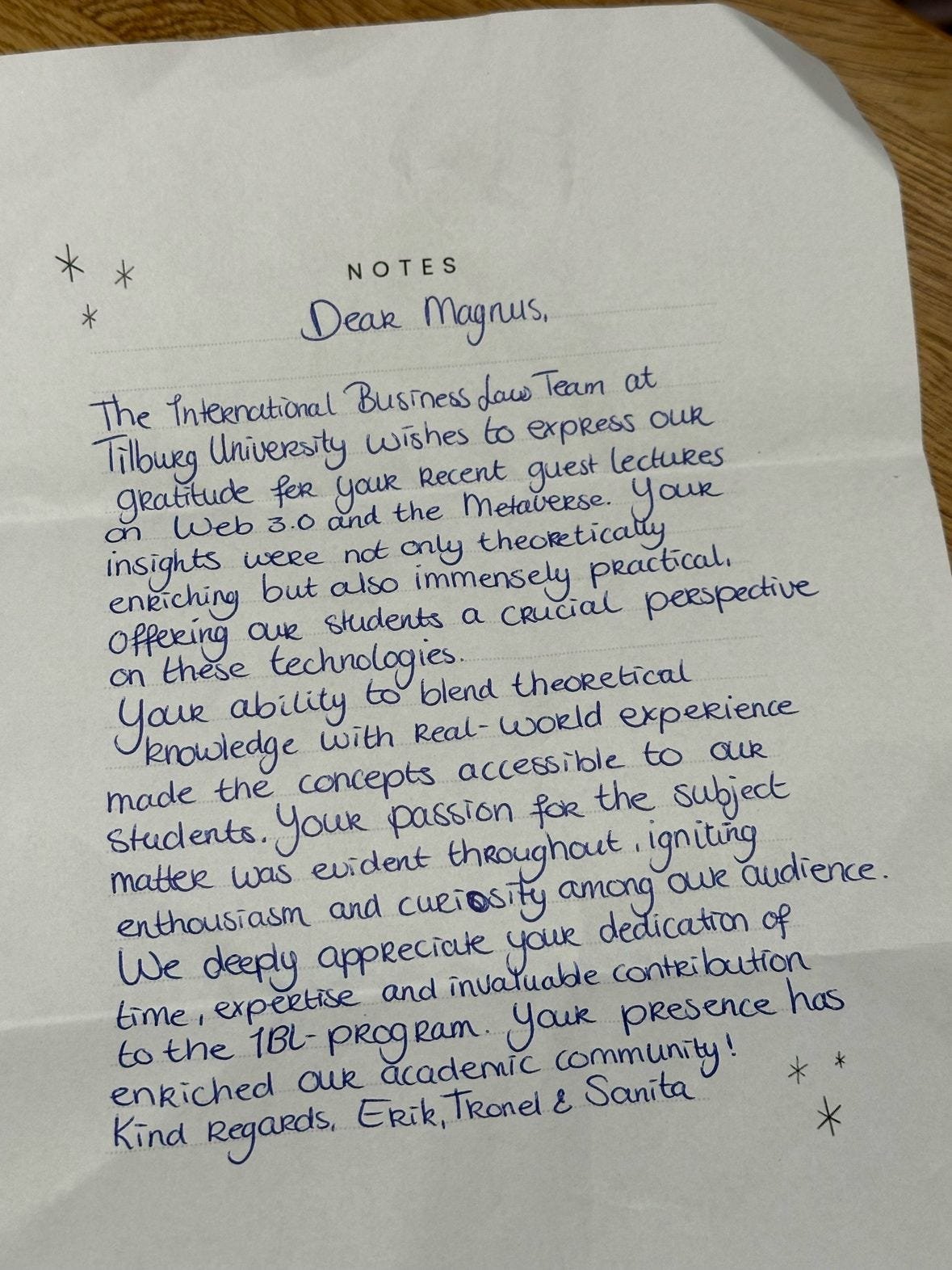
When you write a letter to yourself, you:
- Slow down and reflect
- Process emotions honestly
- Gain clarity and perspective
- Offer yourself kindness and understanding
It becomes a conversation with your inner voice—without judgment.
How to Write a Letter to Yourself (Step-by-Step)


Step 1: Decide Who You Are Writing To
Choose whether you are writing to:
- Your younger self
- Your present self
- Your future self
Step 2: Be Honest, Not Perfect
This letter is for you. Write freely without worrying about grammar or structure.
Step 3: Talk Like You Would to a Friend
Use kind, understanding words—especially if you are writing during a difficult time.
Step 4: End with Hope or Encouragement
Close your letter with reassurance, motivation, or a reminder of your strength.
Example: Write a Letter to Yourself (Emotional)
Dear Me,
I know you have been trying your best, even on days when it feels invisible. You have survived things you never thought you could, and that alone makes you strong.
Be patient with yourself. You are growing, even when it feels slow. Trust the journey—you are exactly where you need to be right now.
With kindness,
Me
Example: Write a Letter to Your Future Self
Dear Future Me,
I hope you are proud of how far you have come. Remember the days you felt unsure—and how you kept going anyway. Never forget your values, your softness, and your courage.
Keep choosing yourself.
Always rooting for you
Common Mistakes to Avoid
When you write a letter to yourself, avoid:
- Being overly harsh or self-critical
- Writing what you should feel instead of what you feel
- Rushing the process
This letter is about honesty, not perfection.
Why a Physical Letter Feels Even More Meaningful
Digital notes disappear. A physical letter stays.
When written on paper, a letter to yourself can be:
- Re-read during difficult moments
- Kept as a reminder of growth
- Opened years later as a memory
It becomes a time capsule of who you were.
Send a Letter to Yourself with PostPatra
With PostPatra, you can turn this emotional exercise into something tangible.
You can:
- Write a letter to yourself
- Choose a handwritten-style font
- Schedule it to be delivered later
- Receive it as a real physical letter
It is a beautiful way to reconnect with yourself in the future.
Explore thoughtful self-letters at https://postpatra.com.
FAQs – Write a Letter to Yourself
Why should I write a letter to myself?
It helps with clarity, healing, motivation, and emotional awareness.
How long should the letter be?
There is no limit. Even a few honest lines are enough.
Can I write more than one letter?
Yes. Many people write letters during different life stages.
Is it okay if the letter is emotional?
Absolutely. That is often when it matters most.
Conclusion
To write a letter to yourself is to pause, reflect, and offer yourself the compassion you often give to others. It is a quiet but powerful act of self-connection.
And when you turn that letter into a physical delivery through PostPatra, it becomes more than words—it becomes a reminder, waiting for you at the right moment.
Sometimes, the most important letter you will ever receive is the one you write to yourself.
Leave a Reply