Introduction
A covering letter for a job application is your first formal introduction to an employer. While your resume outlines your qualifications, the covering letter explains why you are applying and how you are a good fit for the role.
A well-written covering letter can significantly increase your chances of getting shortlisted—especially in competitive job markets.
What Is a Covering Letter for a Job Application?
A covering letter for a job application is a formal letter sent along with your resume. It highlights:
- The position you are applying for
- Your interest in the role and company
- Your relevant skills and experience
- Your intent to attend an interview
It acts as a bridge between your resume and the employer.
Why a Covering Letter Is Important
Employers value covering letters because they:
- Show communication skills
- Reflect professionalism and seriousness
- Help explain career changes or gaps
- Make your application more personal
Many recruiters read the covering letter before the resume.
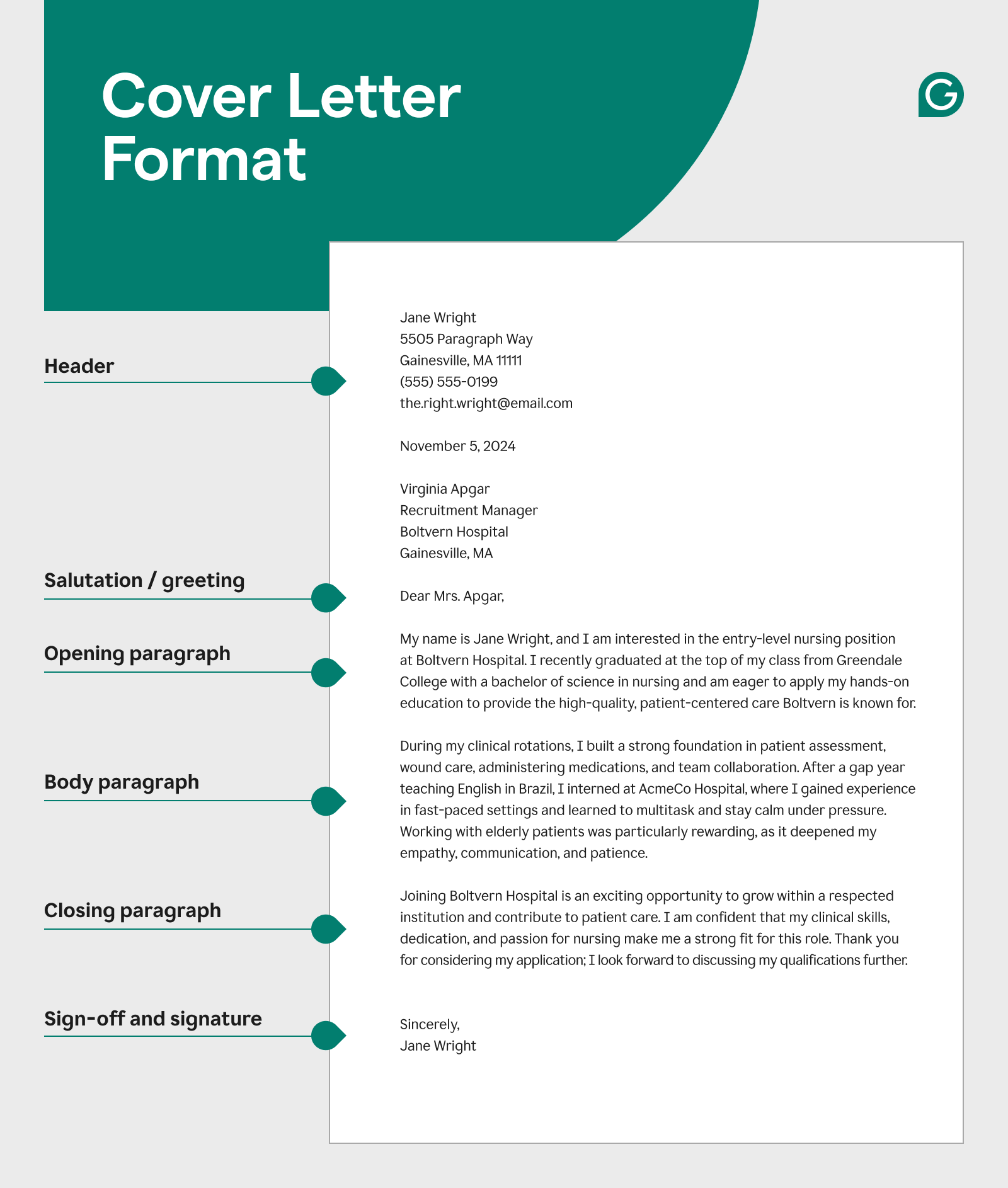
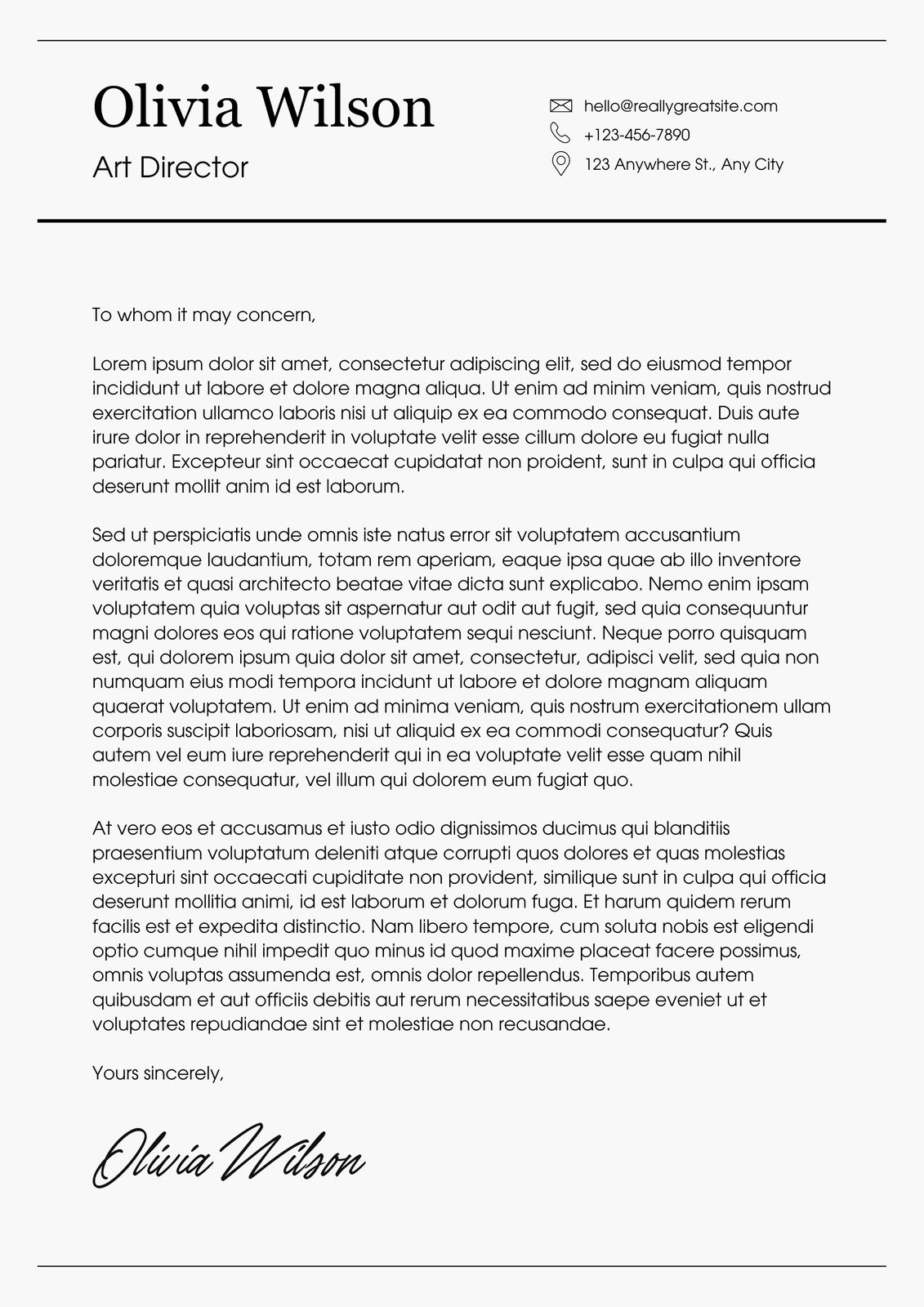
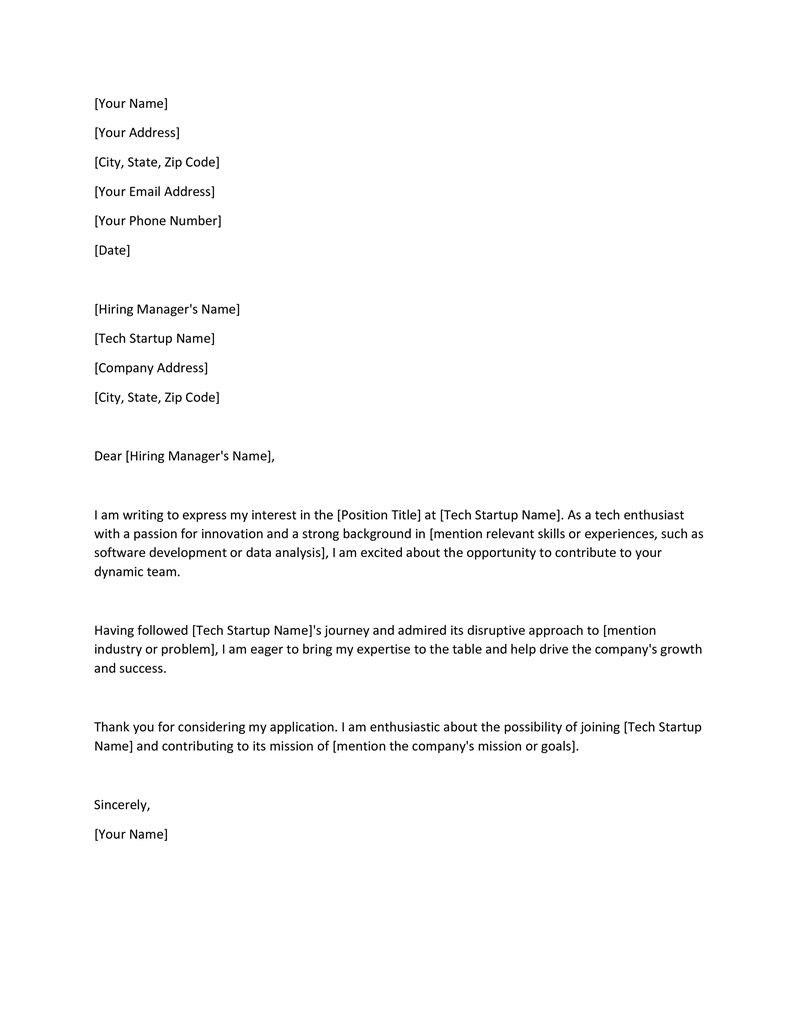
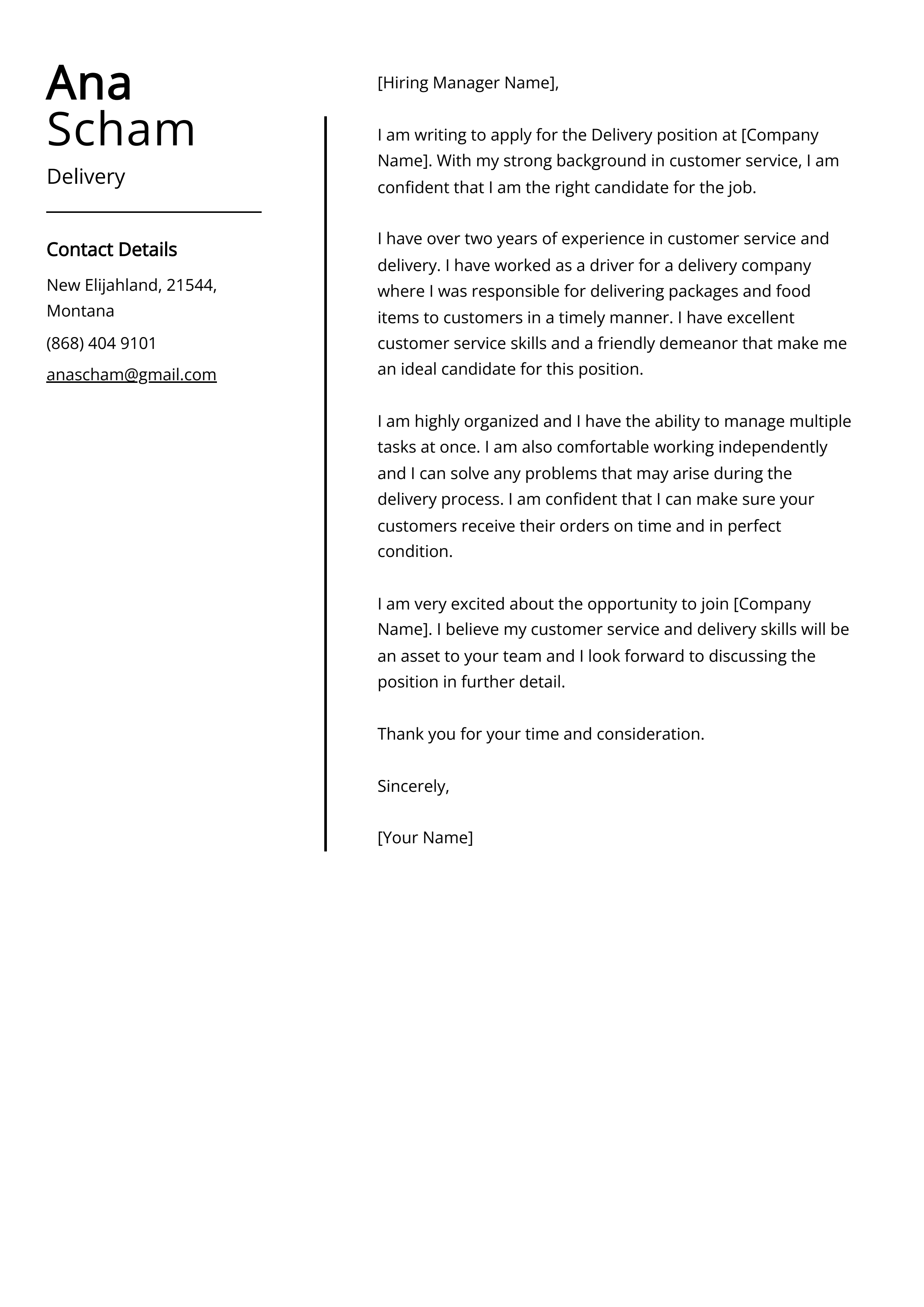
Covering Letter for a Job Application – Standard Format
A professional covering letter should include:
- Your name and contact details
- Date
- Employer’s name (if known)
- Subject line
- Salutation
- Introduction paragraph
- Skills and experience paragraph
- Closing paragraph
- Signature
Keep the letter one page and well structured.
How to Write a Covering Letter for a Job Application
1. Write a Clear Subject Line
Example:
Subject: Application for the Position of Accounts Executive
2. Use a Professional Greeting
Examples:
- Dear Hiring Manager,
- Dear Sir/Madam,
- Dear Mr./Ms. [Last Name],
3. Write the Opening Paragraph
State the job title and your interest.
Example:
“I am writing to apply for the position of Sales Executive at your organization. I am interested in this opportunity as it aligns with my skills and career goals.”
4. Highlight Relevant Skills and Experience
Briefly mention:
- Your education or experience
- Key skills related to the job
- Your ability to contribute
Avoid repeating your resume exactly.
5. Close Politely and Professionally
Thank the employer and invite next steps.
Example:
“I would welcome the opportunity to discuss my application further.”
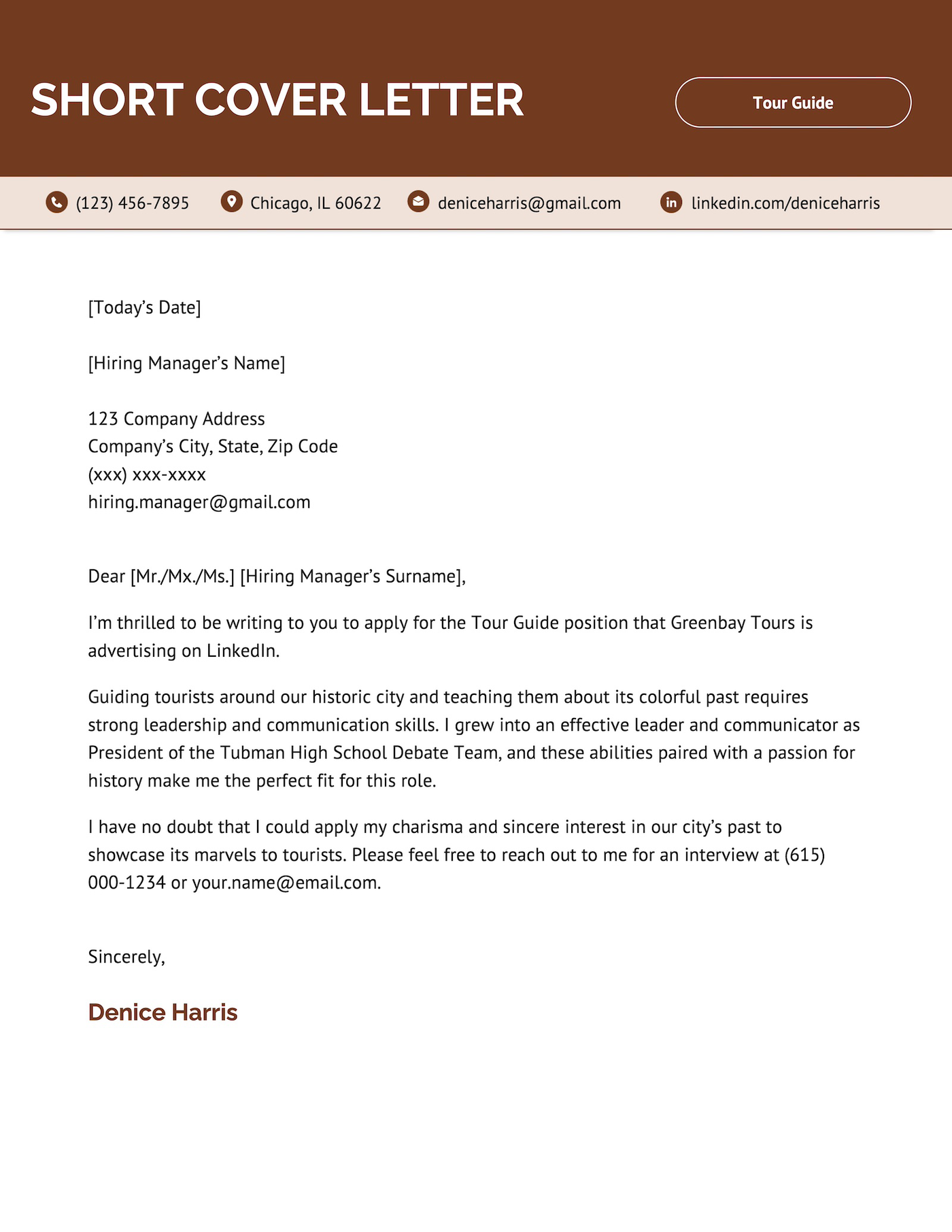
Covering Letter for a Job Application Example (General)
Dear Hiring Manager,
I am writing to apply for the position of [Job Title] at your organization. I am keen to apply for this role as it matches my skills and professional interests.
I have relevant experience in [mention skills/field] and am confident in my ability to contribute positively to your team. My resume is attached for your review.
Thank you for considering my application. I look forward to the opportunity to discuss my profile further.
Sincerely,
[Your Name]
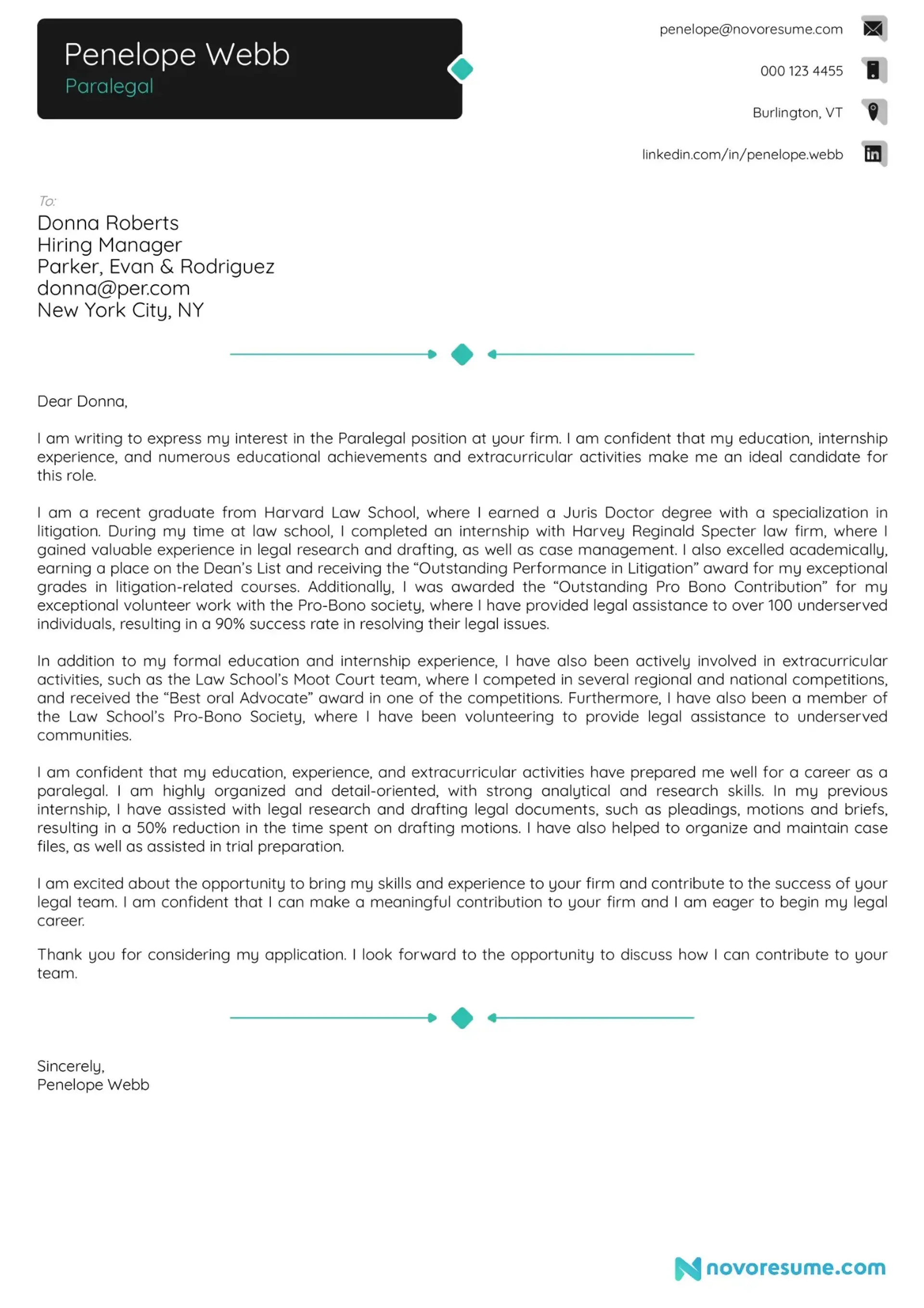
Covering Letter for a Job Application (Fresher Example)
Dear Sir/Madam,
I am writing to apply for the position of [Job Title] at your organization. As a recent graduate, I am eager to begin my professional career in a learning-oriented environment.
I am motivated, quick to learn, and enthusiastic about contributing to your team. Thank you for considering my application.
Yours sincerely,
[Your Name]
Tips for Writing an Effective Covering Letter
- Customize the letter for each job
- Keep language simple and professional
- Focus on employer needs
- Avoid long paragraphs
- Proofread carefully
A clear and focused covering letter leaves a strong impression.
Common Mistakes to Avoid
- Writing a generic letter
- Making the letter too long
- Using informal language
- Repeating your resume word-for-word
- Forgetting to mention the job title
Email vs Physical Covering Letter
4
Most covering letters are sent by email. However, physical covering letters are still preferred or required for:
- Government jobs
- Traditional organizations
- Walk-in or offline applications
- Formal job submissions
With PostPatra, you can:
- Write your covering letter online
- Format it professionally
- Print and deliver it anywhere in India
- Avoid visiting the post office
- Track delivery easily
This adds professionalism and seriousness to your application.
FAQs
1. Is a covering letter mandatory for job applications?
Not always, but it strongly improves your chances.
2. How long should a covering letter be?
One page or 3–4 short paragraphs.
3. Can I reuse the same covering letter?
Reuse the structure, but customize content for each job.
4. Can I send a covering letter by post?
Yes, especially for formal applications.
5. Can I write online and send it physically?
Yes. PostPatra makes this easy.
Conclusion
A covering letter for a job application helps employers understand your intent, interest, and suitability—beyond what your resume shows. When written clearly and professionally, it strengthens your application and improves your chances of being shortlisted.
Whether sent digitally or delivered as a professionally printed letter through PostPatra, clarity, relevance, and professionalism make all the difference.
Sometimes, a strong covering letter is what turns an application into an interview.
Leave a Reply