
4
Introduction
A proposal letter is a formal way to present an idea, service, project, or partnership to another individual or organization. Whether you are proposing a business deal, project collaboration, freelance service, or formal request, a well-written proposal letter helps you communicate clearly and professionally.
In many cases, a proposal letter is the first step toward approval, funding, or agreement—so clarity and structure are essential.
What Is a Proposal Letter?
A proposal letter is a formal document written to suggest an idea or request approval for something. It explains:
- What you are proposing
- Why the proposal is beneficial
- How it will be executed
- What action is expected from the recipient
Proposal letters are commonly used in business, freelancing, education, and official communication.
Types of Proposal Letters
A proposal letter can be written for different purposes, such as:
- Business proposal letter
- Project proposal letter
- Freelance or service proposal
- Partnership proposal letter
- Funding or sponsorship proposal
- Formal request proposal
Each type follows a similar structure but differs in content focus.
Proposal Letter Format (Standard)
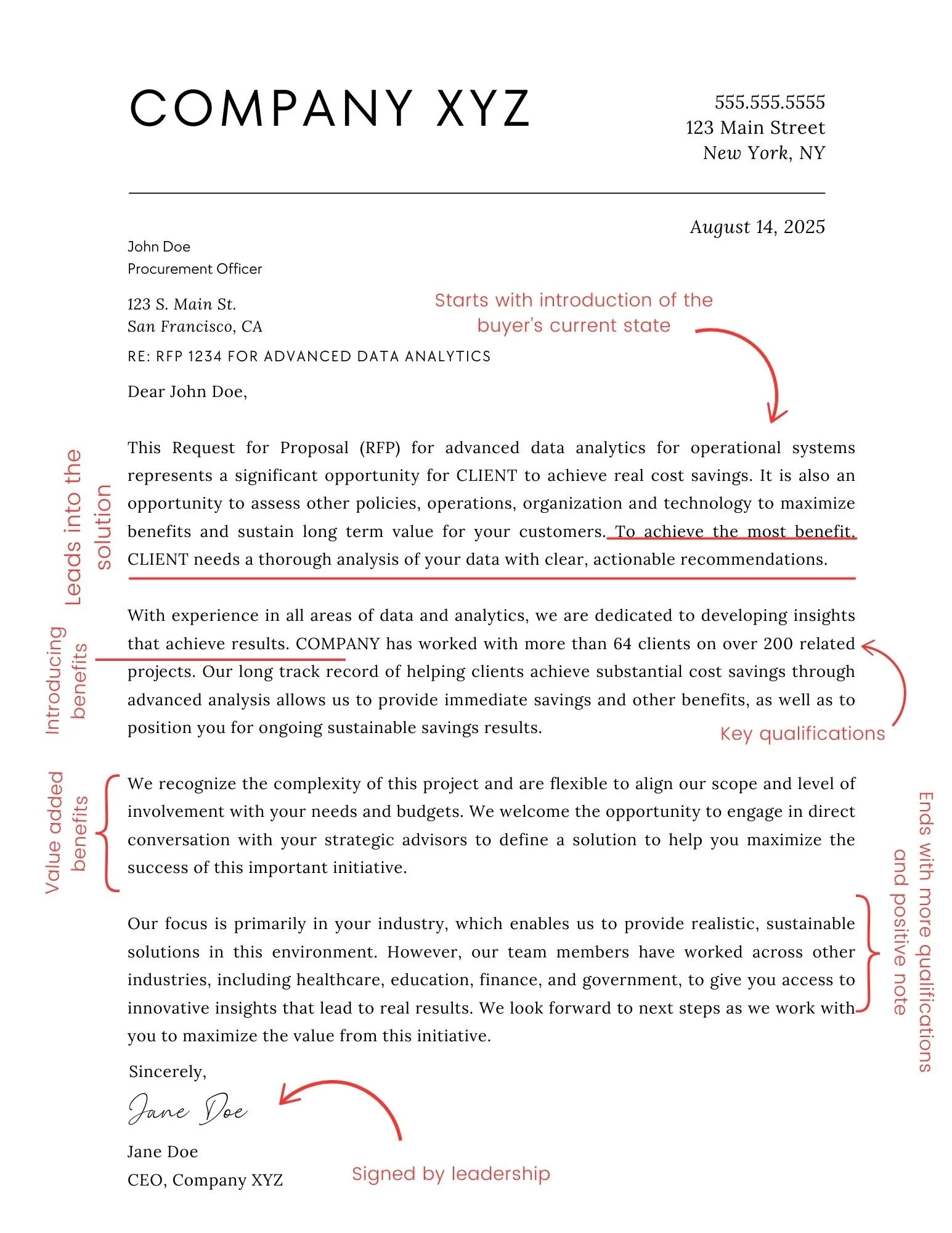
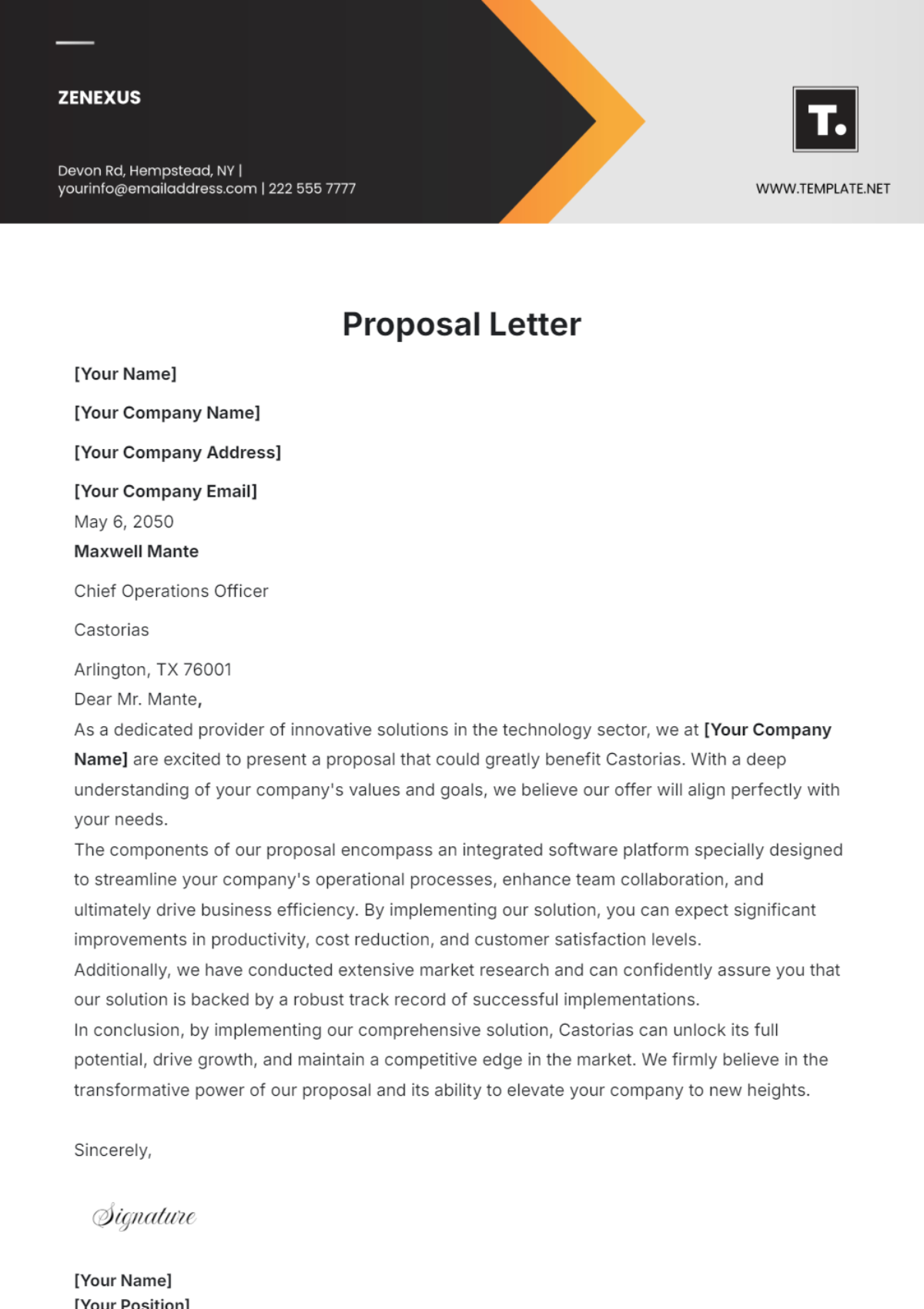
A professional proposal letter usually includes:
- Sender’s name and contact details
- Date
- Recipient’s name and organization
- Subject line
- Salutation
- Introduction (purpose of proposal)
- Proposal details and benefits
- Timeline or next steps
- Closing and call to action
- Signature
Keep the letter one page unless detailed documentation is required.
How to Write a Proposal Letter (Step-by-Step)
1. Write a Clear Subject Line
The subject should clearly state the proposal purpose.
Example:
Subject: Proposal for Digital Marketing Services
2. Use a Professional Greeting
Examples:
- Dear Sir/Madam,
- Dear [Recipient’s Name],
3. Introduce the Proposal
Briefly explain why you are writing.
Example:
“I am writing to propose a collaboration opportunity between our organizations.”
4. Explain the Proposal Clearly
Describe:
- What you are offering
- How it works
- Why it is valuable
Focus on benefits to the recipient.
5. Mention Next Steps
Explain what action is expected.
Example:
“I would welcome the opportunity to discuss this proposal in more detail.”
6. Close Professionally
Thank the recipient and sign off politely.
Proposal Letter Example (General)
Dear [Recipient’s Name],
I am writing to present a proposal for [brief description of proposal]. This proposal aims to [objective or benefit].
Through this initiative, I believe we can achieve [key outcomes]. The proposed approach is designed to be efficient and mutually beneficial.
I would appreciate the opportunity to discuss this proposal further at your convenience. Thank you for your time and consideration.
Sincerely,
[Your Name]
Business Proposal Letter Example
Dear [Client Name],
I am writing to propose our services for [project/service]. Our team has experience in delivering similar projects successfully and believes this proposal aligns well with your requirements.
We are confident that this collaboration will provide measurable value and positive results. I look forward to discussing the details further.
Sincerely,
[Your Name]
Tips for Writing an Effective Proposal Letter
- Be clear and specific
- Focus on benefits, not just features
- Keep language professional and concise
- Avoid unnecessary technical jargon
- Proofread carefully
A strong proposal letter builds credibility and trust.
Common Mistakes to Avoid
- Writing vague or unclear proposals
- Making the letter too long
- Not stating the purpose clearly
- Using informal language
- Forgetting a call to action
Sending a Proposal Letter Digitally or Physically


4
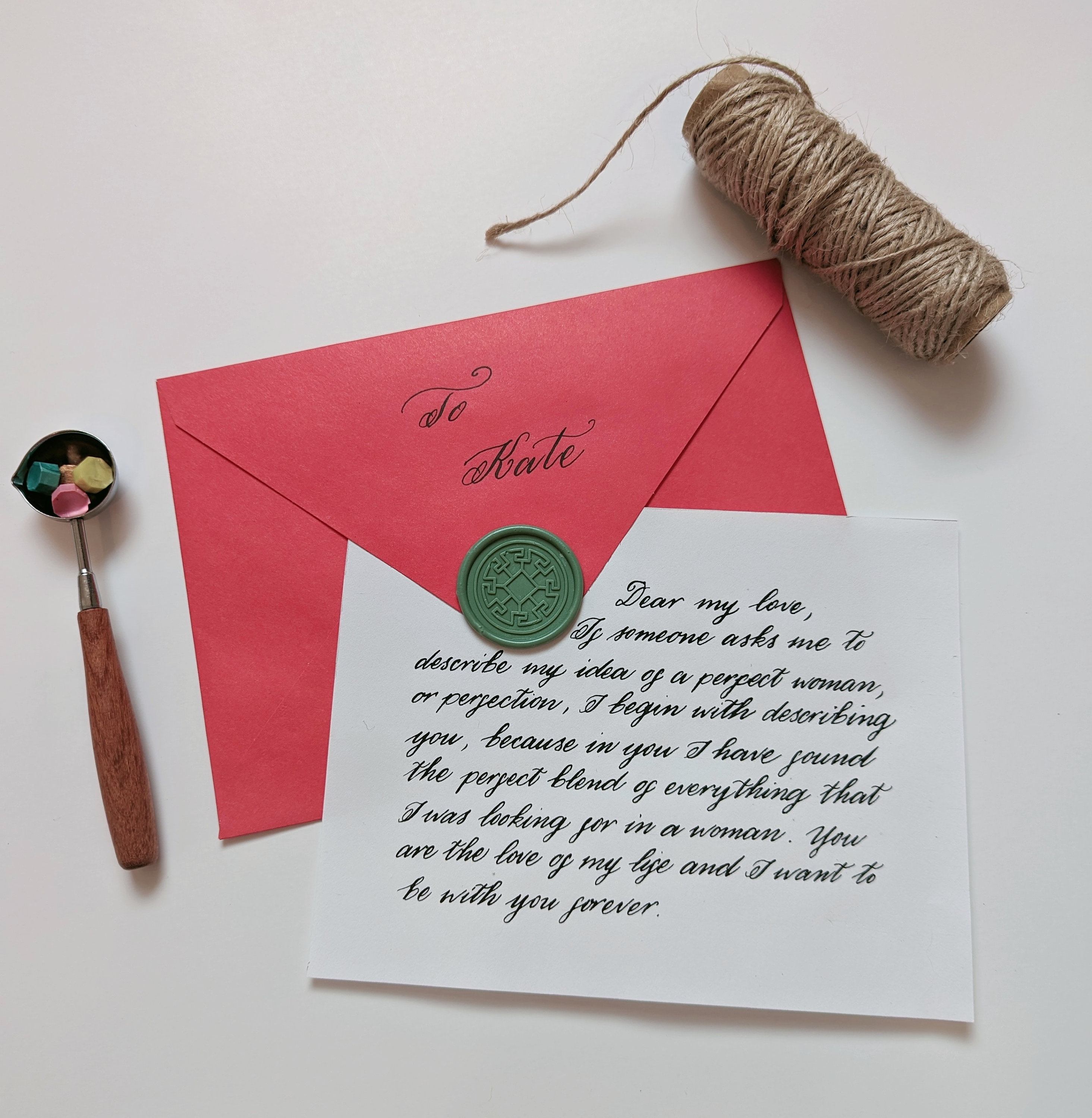
Most proposal letters are sent via email. However, physical proposal letters are still preferred or required for:
- Business partnerships
- Government or institutional proposals
- Legal or official submissions
- High-value contracts
With PostPatra, you can:
- Write your proposal letter online
- Format it professionally
- Print and deliver it anywhere in India
- Avoid post office visits
- Track delivery easily
A physical proposal letter often feels more formal and impactful.
FAQs
1. How long should a proposal letter be?
Ideally one page, unless additional details are required.
2. Is a proposal letter legally binding?
No, unless stated and signed as a contract.
3. Can proposal letters be sent by email?
Yes, email is commonly accepted.
4. Should a proposal letter include pricing?
Only if relevant to the proposal.
5. Can I send a proposal letter by post?
Yes, especially for formal or official purposes.
Conclusion
A proposal letter is a powerful communication tool that helps you present ideas clearly, professionally, and persuasively. When written well, it opens doors to collaboration, approval, and opportunity.
Whether you send it digitally or choose a professionally delivered physical letter through PostPatra, clarity and professionalism are key.
Sometimes, a single well-written proposal letter is all it takes to start something meaningful.
Leave a Reply