
4
Introduction
A good resignation letter helps you leave your job on positive and professional terms. It clearly communicates your decision, confirms your last working day, and expresses gratitude—without unnecessary details or negativity.
Whether you’re moving to a new role or taking a break, writing a good resignation letter protects your professional reputation and keeps doors open for future opportunities.
What Makes a Good Resignation Letter?
A good resignation letter is:
- Clear about your resignation and last working day
- Polite and professional in tone
- Brief and focused (one page or less)
- Grateful, not emotional
- Free of complaints or criticism
You don’t need to explain everything—clarity and respect are enough.
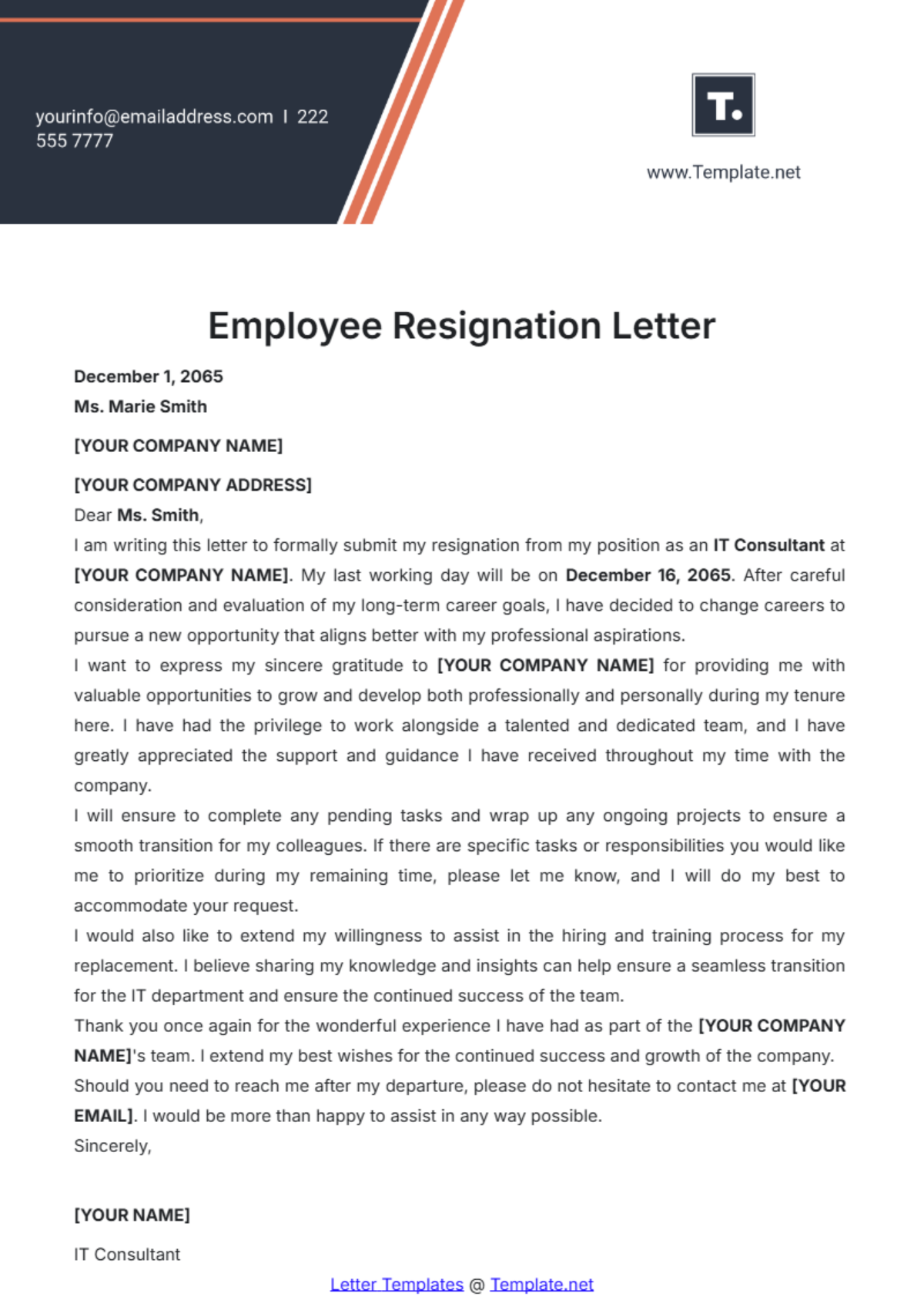
Good Resignation Letter Format
4
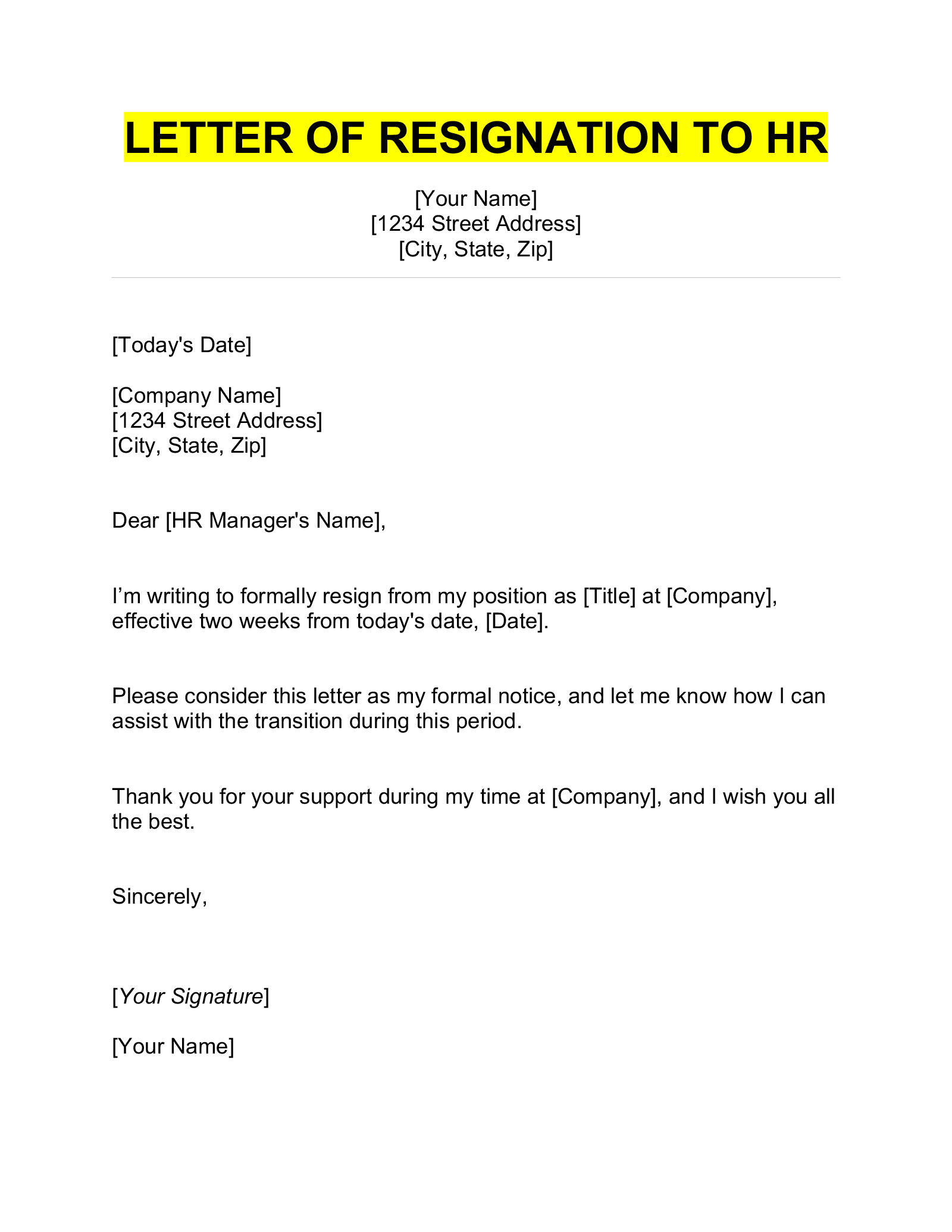
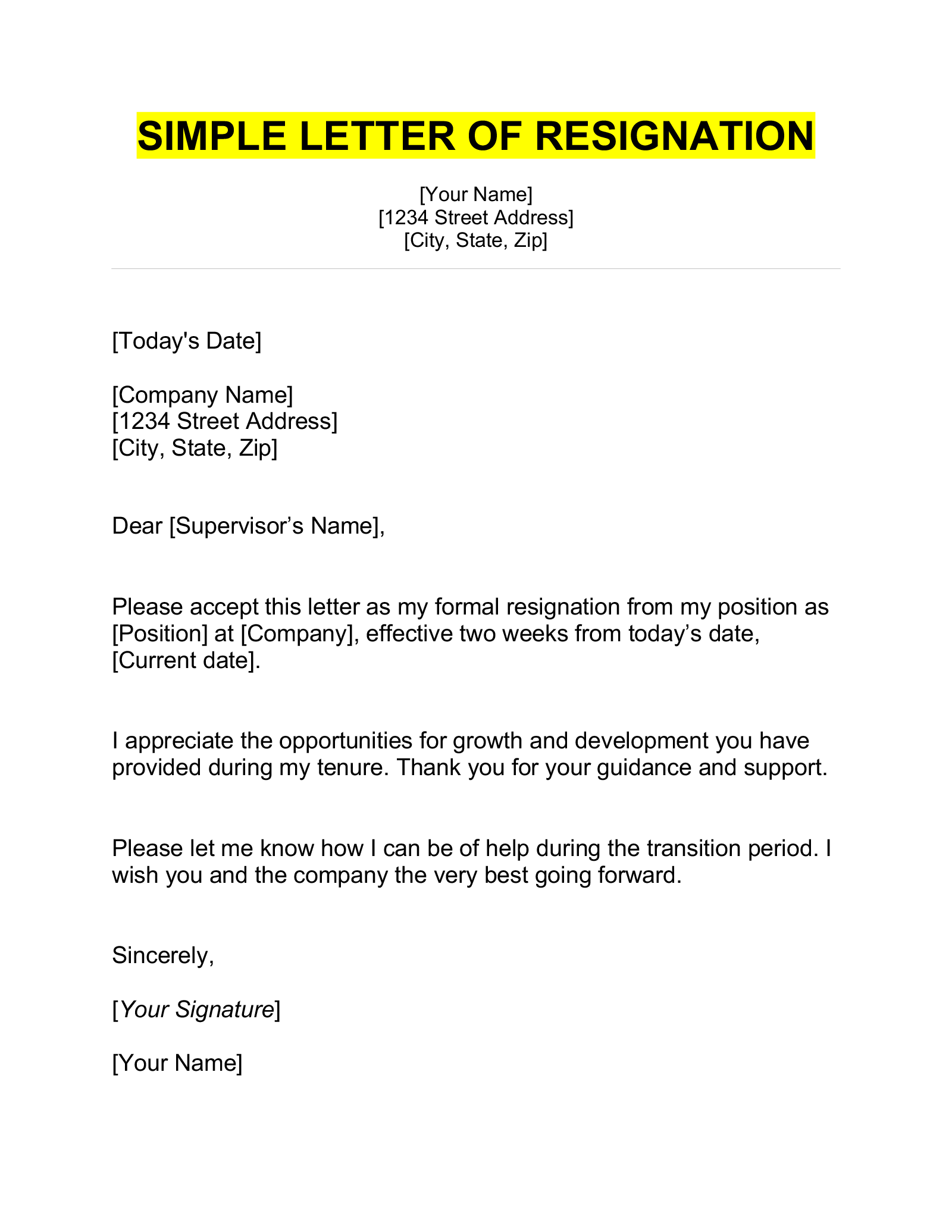
Follow this simple structure:
- Subject Line – Resignation notice
- Salutation – Dear [Manager’s Name]
- Statement of Resignation – Clear and direct
- Last Working Day – As per notice period
- Appreciation – Thank the organization
- Transition Support – Optional
- Closing & Signature
Good Resignation Letter Example (Professional)
Subject: Resignation Letter
Dear [Manager’s Name],
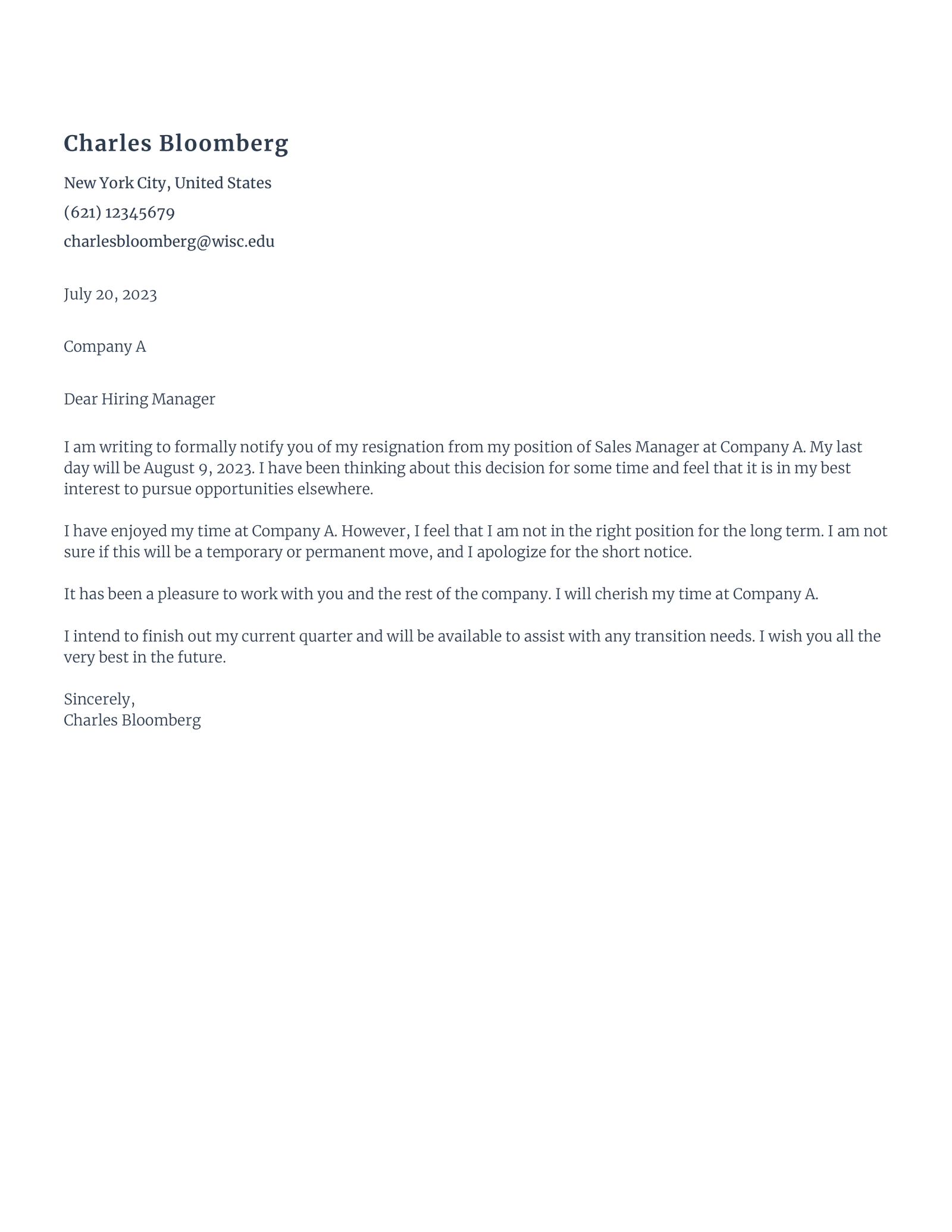
I am writing to formally resign from my position at [Company Name]. My last working day will be [date], in accordance with my notice period.
I sincerely appreciate the opportunities and support I have received during my time here. I will ensure a smooth handover of my responsibilities during the notice period.
Thank you for your guidance and understanding.
Sincerely,
[Your Name]
[Your Designation]
Short & Good Resignation Letter (Simple)
Subject: Resignation
Dear [Manager’s Name],
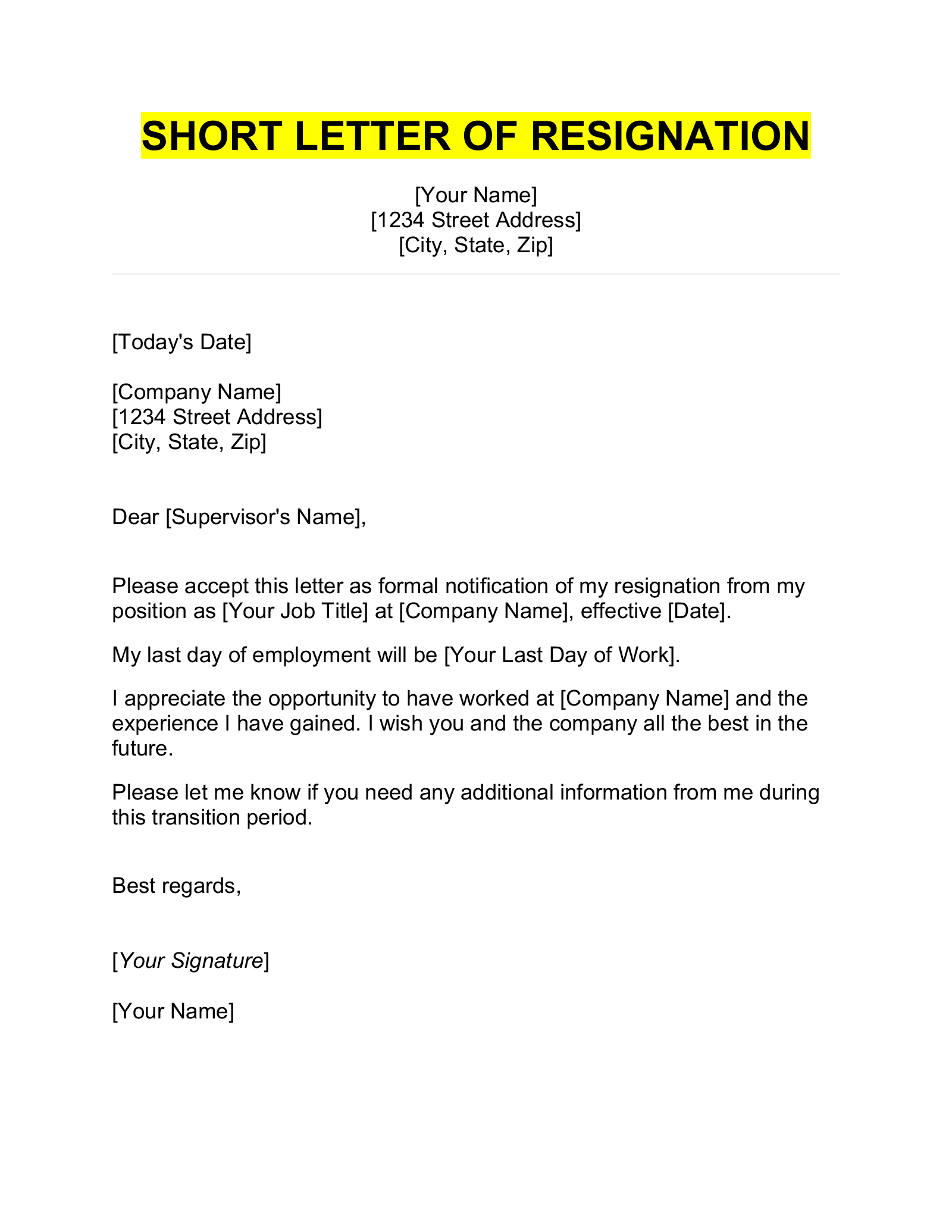
Please accept this letter as formal notice of my resignation from [Company Name], effective [date].
Thank you for the opportunity to be part of the team.
Regards,
[Your Name]
Good Resignation Letter for Freshers
Subject: Resignation Notice
Dear [Manager’s Name],
I would like to inform you of my resignation from my role at [Company Name], effective [date]. I am grateful for the learning opportunities and support provided during my tenure.
Sincerely,
[Your Name]
Tips to Write a Good Resignation Letter
- Keep it concise and factual
- Avoid negative or emotional language
- Clearly mention your last working day
- Follow company notice-period policy
- Proofread before sending
A calm, respectful letter always leaves a positive impression.
Email vs Physical Resignation Letter
Most companies accept resignation letters via email. However, some organizations may require a printed resignation letter for HR records.
With PostPatra, you can write your resignation letter online and have it professionally printed and delivered anywhere in India—without visiting a post office.
👉 https://postpatra.com
FAQs: Good Resignation Letter
How long should a good resignation letter be?
Ideally one page or 3–4 short paragraphs.
Should I mention my reason for resigning?
Optional—keep it neutral if you do.
Can I resign by email?
Yes, if company policy allows and the tone is professional.
Is a resignation letter mandatory?
In most organizations, yes—it’s required for records.
Conclusion
A good resignation letter is simple, respectful, and professional. It helps you exit gracefully, maintain relationships, and protect your reputation.
Use the formats and examples above, customize them to your situation, and resign the right way—because how you leave matters as much as how you start.
Leave a Reply