4
Introduction
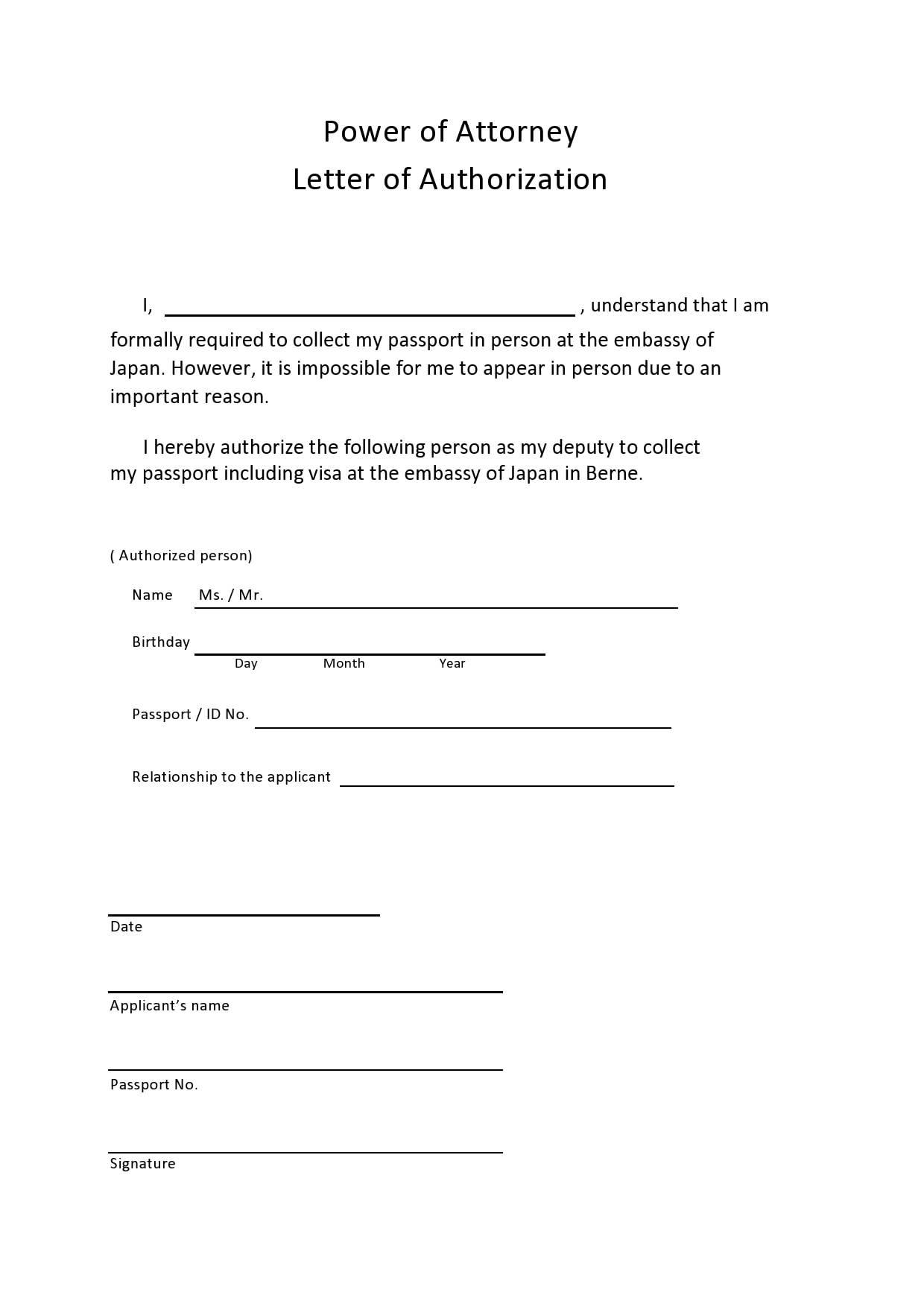
There are situations in life when you cannot be physically present to handle important matters—legal, financial, or personal. In such cases, a letter of attorney allows you to authorize someone you trust to act on your behalf.
Whether it’s managing documents, handling property matters, or representing you temporarily, a properly written letter of attorney ensures clarity, legality, and peace of mind.
What Is a Letter of Attorney?
A letter of attorney is a written legal authorization that allows one person (the principal) to grant authority to another person (the attorney-in-fact or agent) to perform specific actions on their behalf.
It may be used for:
- Property or land matters
- Bank-related work
- Legal representation
- Government or official procedures
- Personal matters when you are unavailable
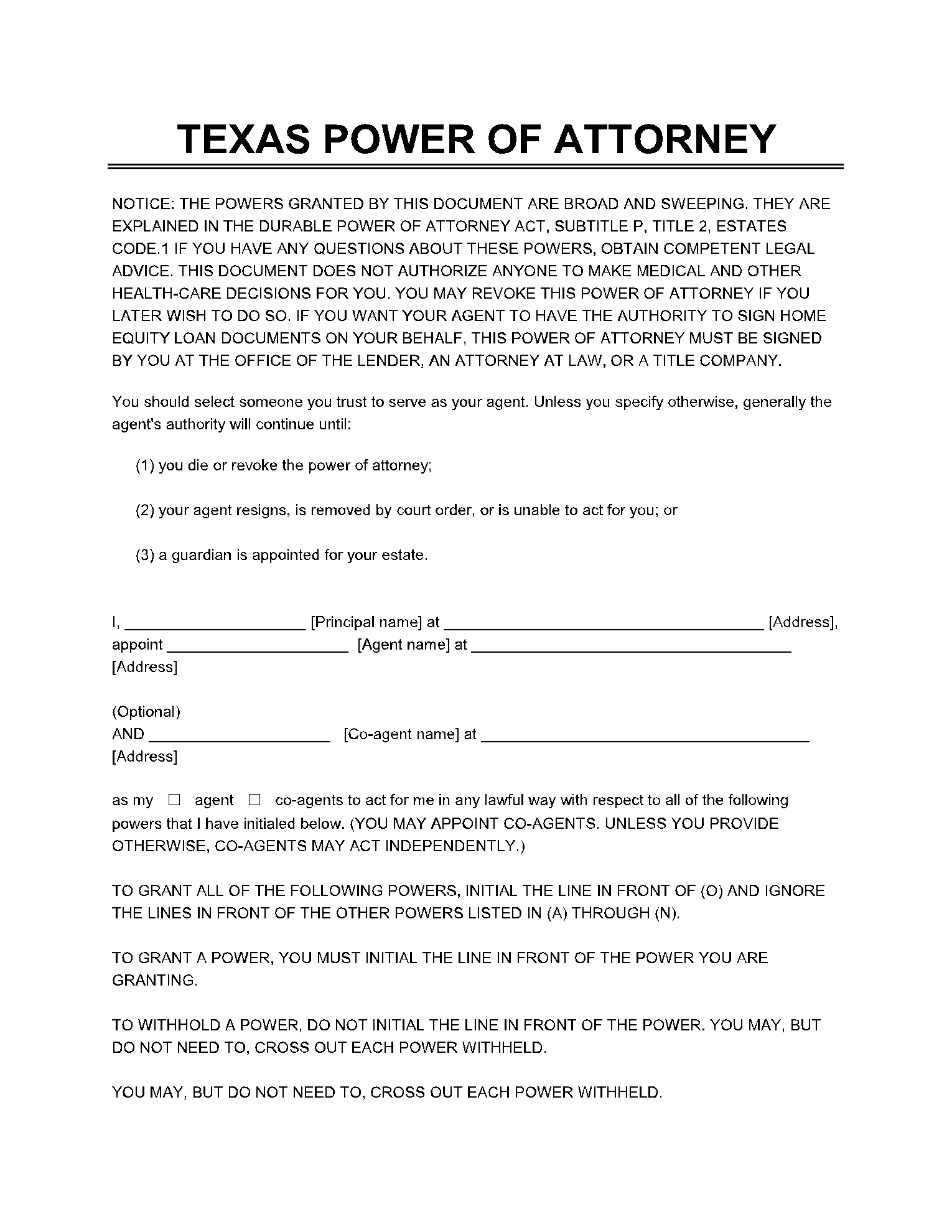
Note: A letter of attorney is often informal or limited in scope, while a Power of Attorney (PoA) is a more formal legal document.
When Do You Need a Letter of Attorney?
You may need a letter of attorney when:
- You are out of town or abroad
- You cannot attend an office or court personally
- You want someone to submit or collect documents
- You need temporary representation
It is commonly used for short-term or specific purposes.
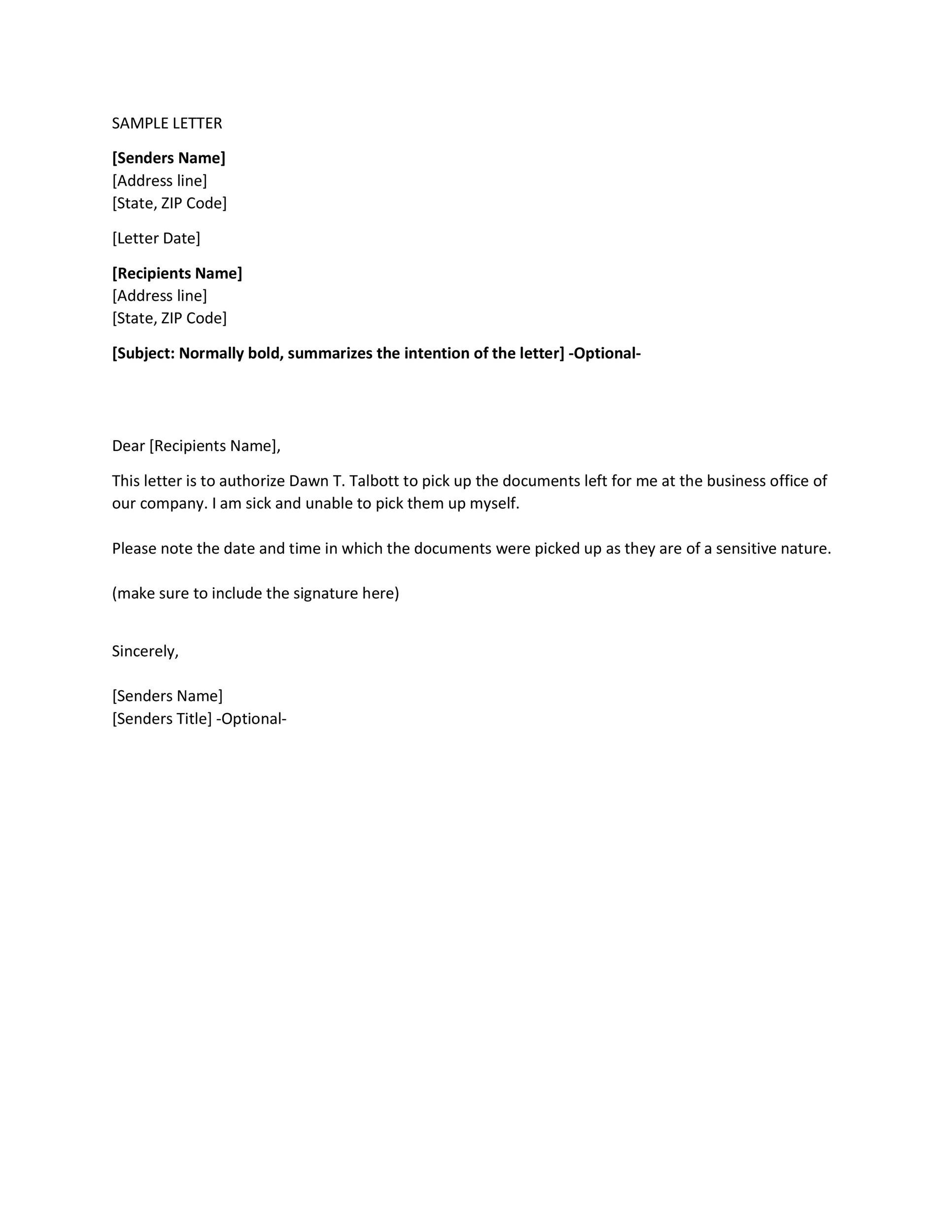
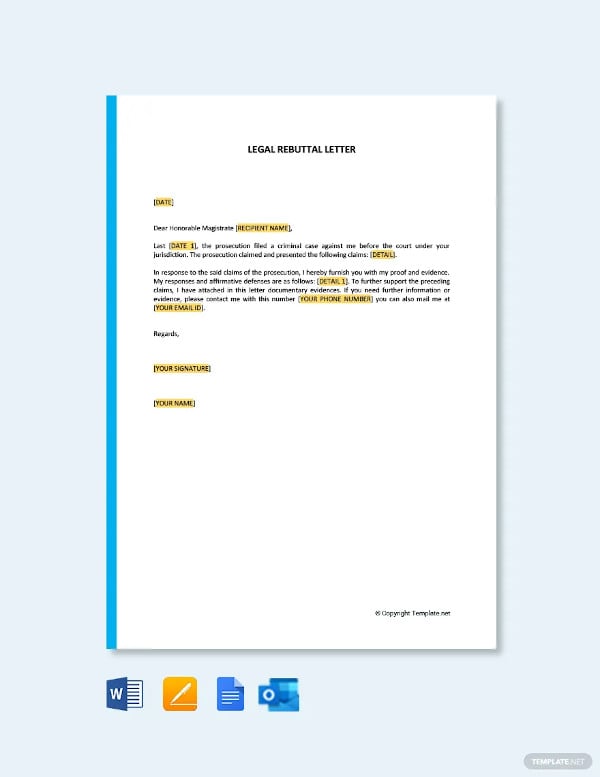
Letter of Attorney Format
4
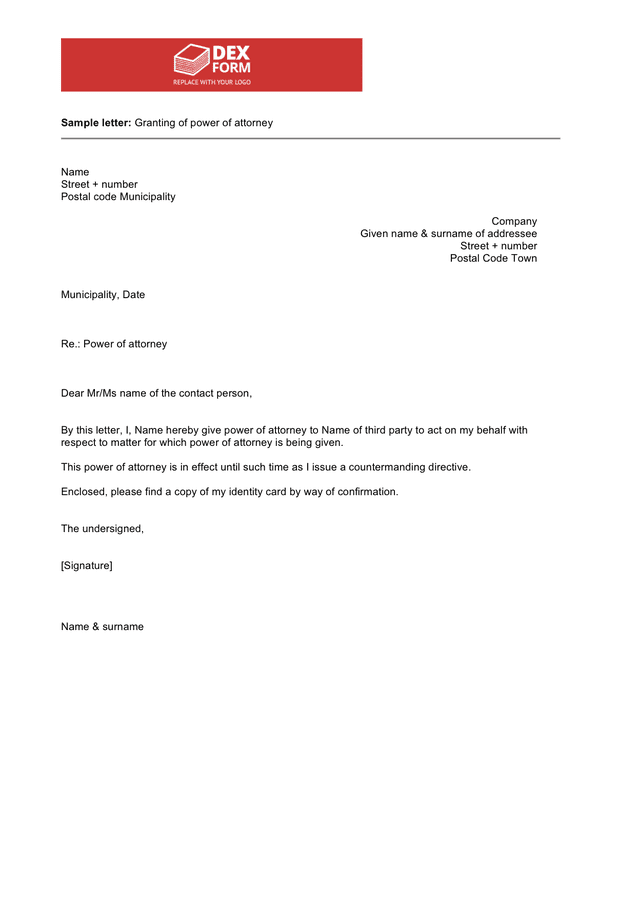
A standard letter of attorney includes:
- Date
- Sender’s details (Principal)
- Receiver/Authorized person’s details
- Subject line
- Clear authorization statement
- Scope of authority
- Duration of authority (if applicable)
- Signature of the principal
- Witness signature (optional but recommended)
Letter of Attorney Example (General)
Subject: Letter of Attorney
I, [Your Full Name], residing at [Your Address], hereby authorize [Authorized Person’s Name], residing at [Address], to act on my behalf in matters related to [mention purpose clearly].
This authorization is valid from [start date] to [end date]. During this period, the authorized person may sign documents, submit applications, and represent me wherever required for the stated purpose.
I confirm that all actions taken by the authorized person within this scope shall be considered as legally binding on my behalf.
Sincerely,
[Your Name]
[Signature]
Date: [Date]
Letter of Attorney for Bank Work (Example)
Subject: Authorization for Bank Transactions
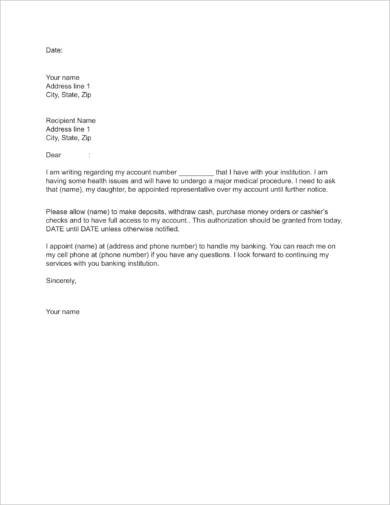
I, [Your Name], hereby authorize [Authorized Person’s Name] to represent me at [Bank Name] for submitting documents and collecting information related to my account.
This authorization is valid until [date].
Signature:
[Your Name]
Important Tips While Writing a Letter of Attorney
- Clearly mention the purpose and scope
- Avoid vague or broad language
- Mention validity period
- Use full legal names
- Sign the letter properly
- Notarization may be required in some cases
A clearly written letter avoids misuse or confusion.
Letter of Attorney vs Power of Attorney
| Letter of Attorney | Power of Attorney |
|---|---|
| Limited purpose | Broad legal authority |
| Often temporary | Can be long-term |
| Simple format | Legal document |
| May not require registration | Often requires registration |
Choose based on the seriousness and duration of authority.
Sending Legal Letters Securely
For official or legal purposes, sending a physical letter of attorney is often required. A printed and delivered letter adds authenticity and formality.
With PostPatra, you can write your letter of attorney online and have it professionally printed and delivered anywhere in India—without visiting a post office.
👉 https://postpatra.com
FAQs: Letter of Attorney
Is a letter of attorney legally valid?
Yes, for limited and specific purposes. Some cases may require notarization.
Can a letter of attorney be handwritten?
Yes, but typed letters are preferred for clarity and professionalism.
Does a letter of attorney need witnesses?
Not always, but witnesses add legal strength.
Can it be revoked?
Yes, a letter of attorney can be revoked anytime by the principal.
Conclusion
A letter of attorney is a practical and useful document when you need someone to act on your behalf temporarily. When written clearly and responsibly, it protects both the principal and the authorized person.
Always define the scope carefully, keep the language precise, and use the letter only for trusted individuals. For official matters, a well-drafted letter can save time and avoid unnecessary complications.
Leave a Reply